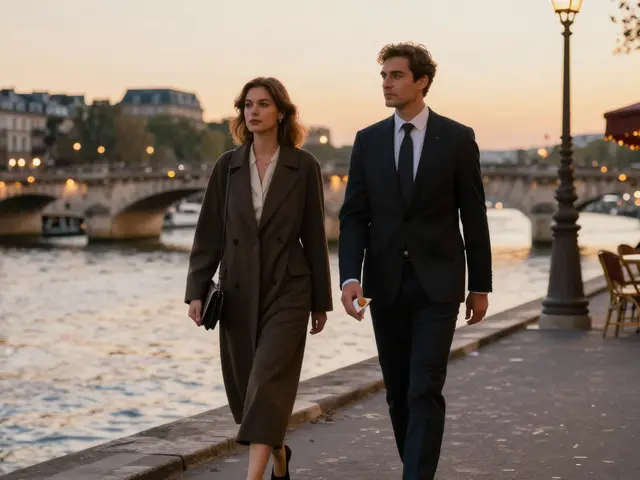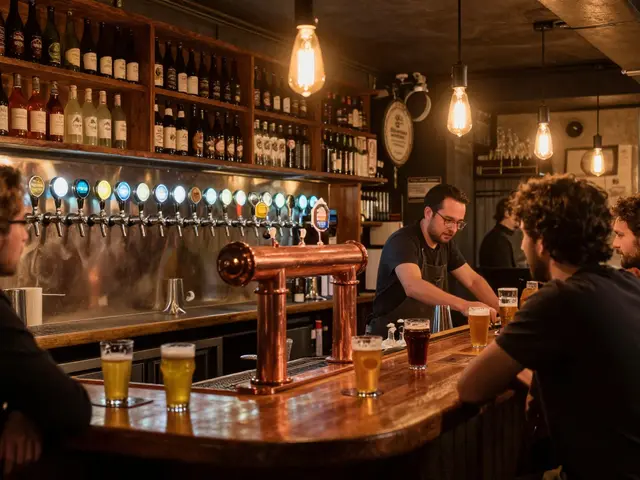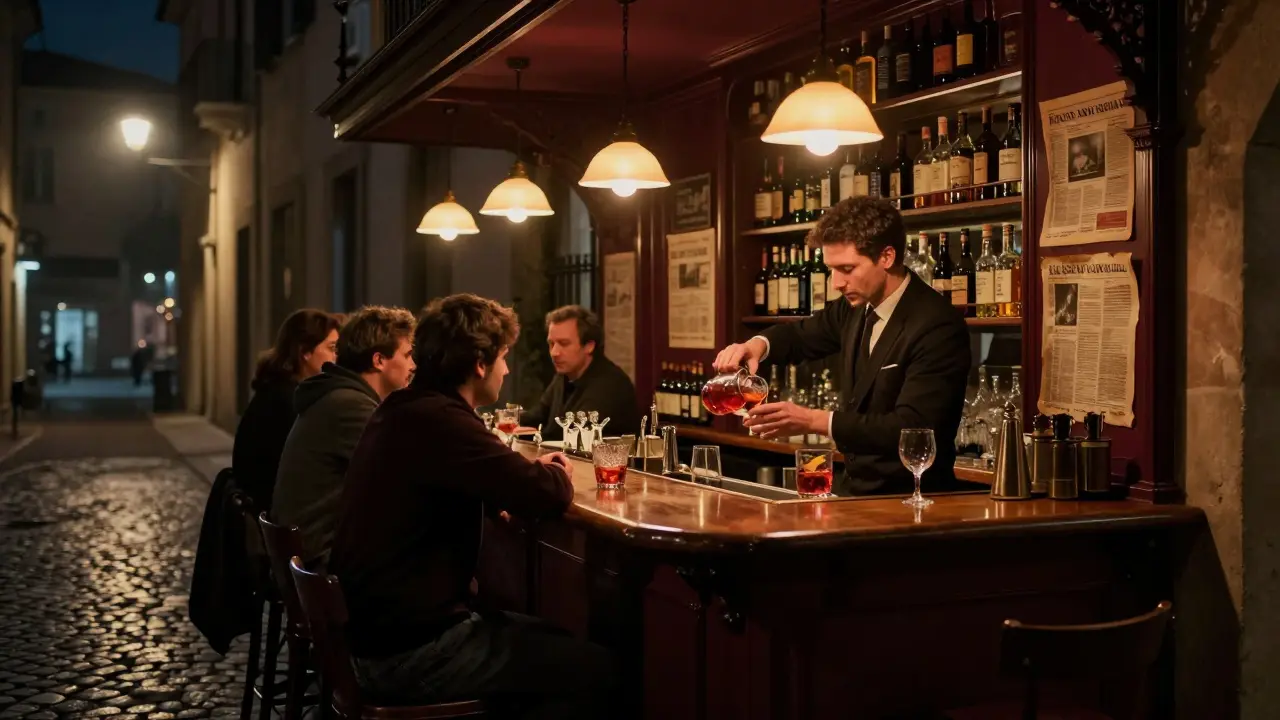
Milan doesn’t sleep when the sun goes down. While it’s known for fashion and design, the city’s nightlife is just as sharp-polished, energetic, and full of surprises. Forget what you think you know about Italian nights. Milan’s scene isn’t just about sipping wine at a sidewalk café. It’s about dancing until dawn in underground basements, sipping craft cocktails in hidden speakeasies, and bumping into models and musicians in neon-lit lounges. If you want to experience real Milan after dark, you need to know where to go.
Brera: Where the Night Starts with a Cocktail
Just down the street, La Bicocca offers something different: a moody, dimly lit space with vinyl spinning deep house and jazz. No loud music, no crowds pushing. Just good drinks and even better vibes. It’s the kind of place you stumble into and never want to leave.
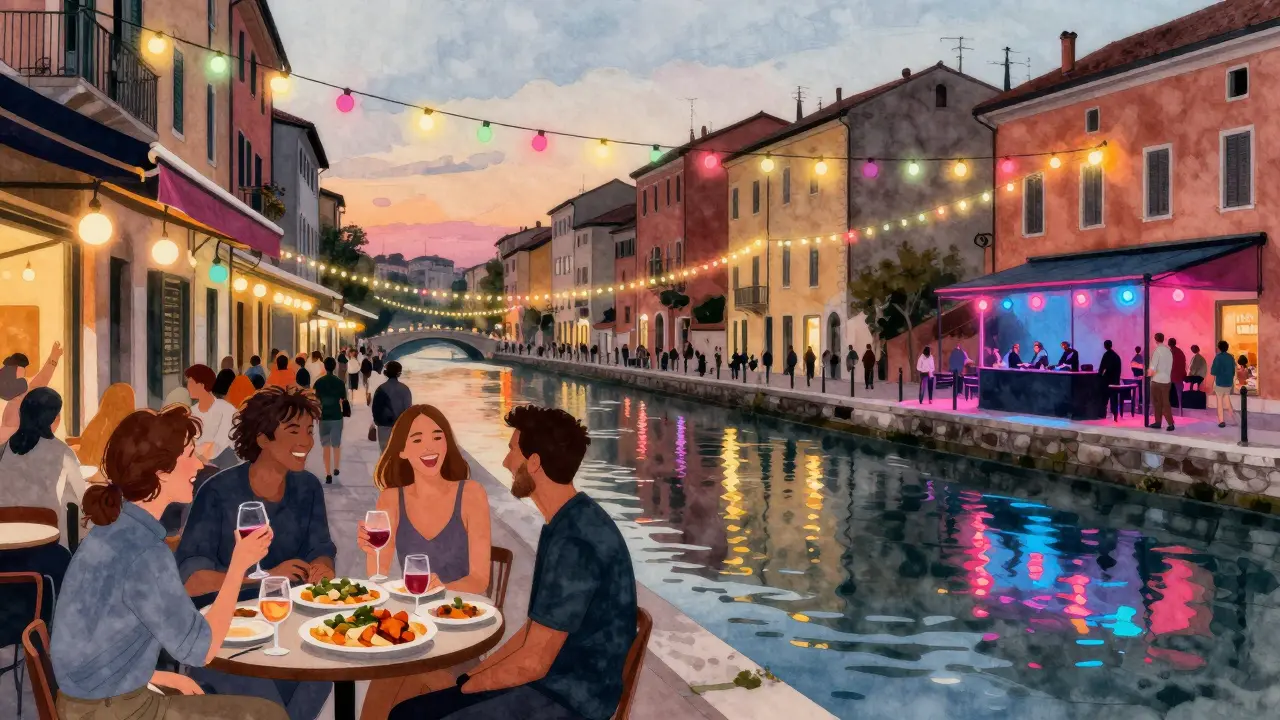
Navigli: The Canals Come Alive
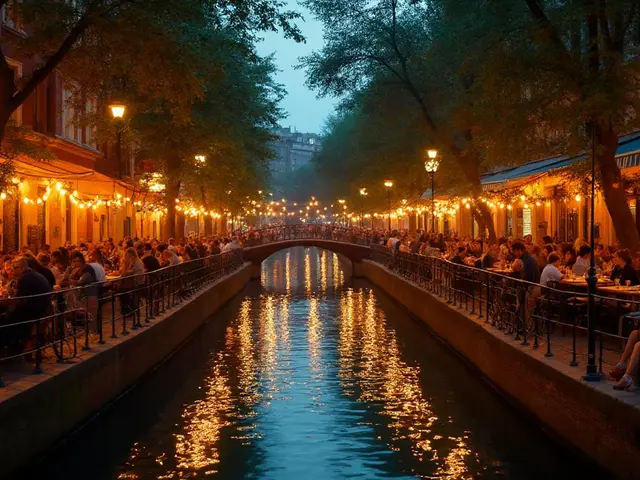
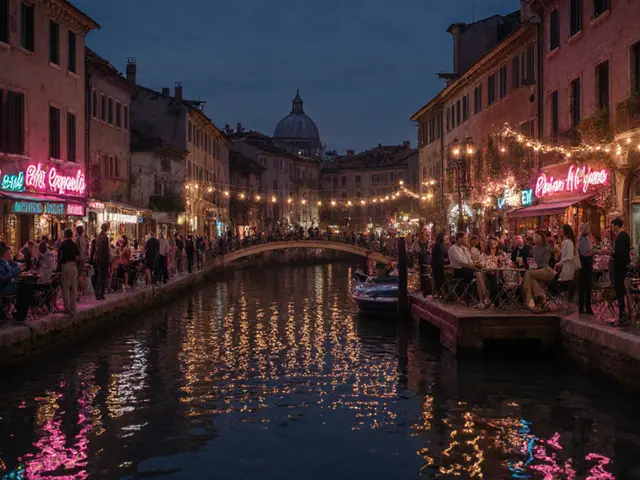
If Brera is the quiet opener, Navigli is the wild party that follows. The canal-side district transforms after sunset. Dozens of bars spill onto the sidewalks, string lights crisscross above, and music drifts from open doors. This is where students, tourists, and locals all mix without pretense.
Bar del Gatto Nero is a staple. A tiny place with a big personality. They serve local wines by the glass and have a rotating selection of artisanal aperitivos. The patio is packed by 9 p.m., but it’s worth waiting. Order the aperitivo con stuzzichini-a small plate of bites included with your drink-and you’ll understand why this place never closes early.
For something louder, head to La Scala Social Club. It’s not the opera house-it’s a converted warehouse with a massive outdoor terrace, DJs spinning everything from disco to techno, and a crowd that dances like nobody’s watching. It’s open until 4 a.m. on weekends, and the energy doesn’t fade until the last person leaves.
Porta Venezia: The Underground Beats
Head east to Porta Venezia, and you’ll find Milan’s most diverse and experimental nightlife. This neighborhood is where alternative culture thrives. You’ll find queer-friendly spaces, experimental art parties, and clubs that don’t care if you’re dressed up or in jeans.
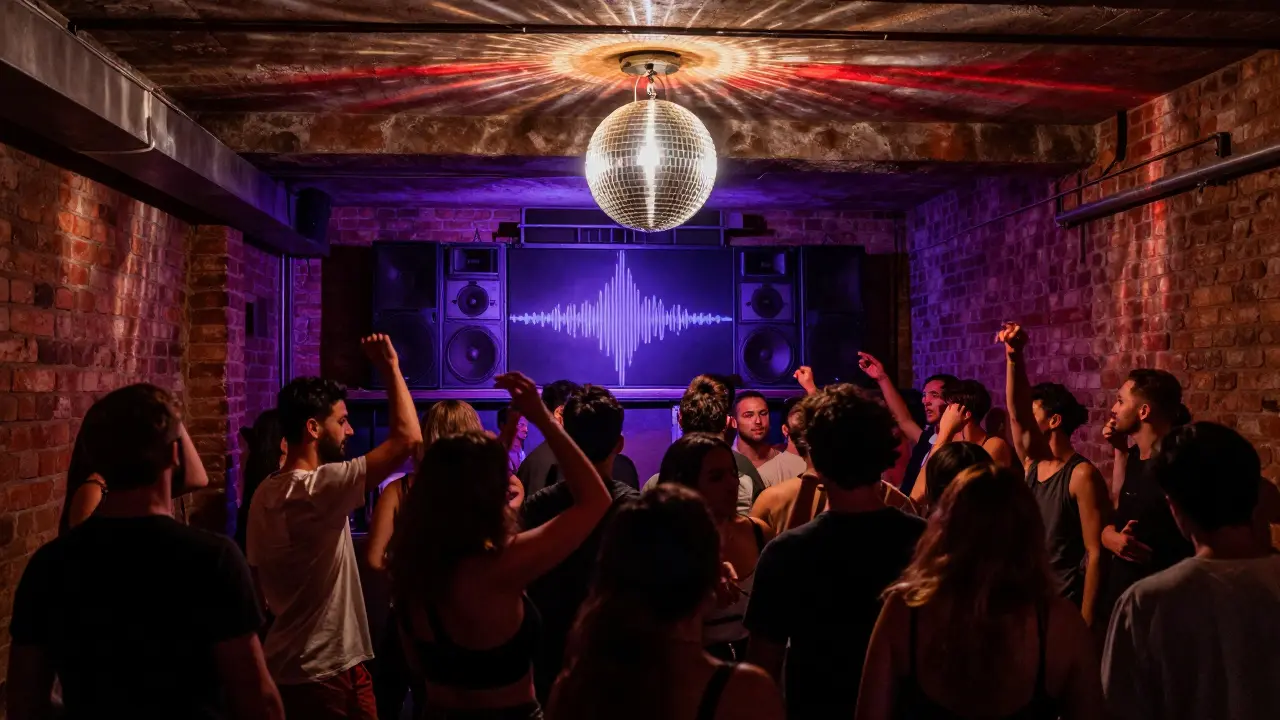
Club 21 is the heartbeat here. It’s small, unmarked, and often looks closed from the outside. But push through the unassuming door, and you’re in a basement packed with people dancing to rare funk, soul, and house records. The sound system is top-tier, the crowd is chill, and the drinks are cheap. No VIP section. No cover charge before midnight. Just music, sweat, and good vibes.
For something more visual, try Bar Luce-a cinema-inspired bar designed by Wes Anderson. It’s not a club, but it’s the perfect place to start or end your night. Sip a Campari soda under pastel walls and mid-century furniture. It’s Instagrammable, yes, but it’s also real. The drinks are made with care, and the silence between songs feels intentional.
Zone 1: The Industrial Dance Floors
If you’re here for the real club experience, you go to Zone 1. This former industrial zone near the city’s edge is now Milan’s answer to Berlin’s techno scene. The clubs here aren’t about glamour-they’re about sound, space, and time.
La Scala Club (not to be confused with the one in Navigli) is the most famous. It’s in a converted factory, with concrete walls, low ceilings, and a sound system that shakes your chest. DJs from across Europe come here to test new tracks. The crowd? Mostly locals who know exactly what they’re here for. No touristy outfits. No posing. Just people moving to the rhythm.
For a more intimate experience, Spazio 12 offers live electronic sets and experimental noise performances. It’s not for everyone. But if you’ve ever wanted to hear a track that’s never been played before, this is the place. Doors open at midnight, and the energy builds slowly-until 3 a.m., when the whole room feels like one beating heart.
What to Expect: Rules, Prices, and Timing
Milan’s nightlife doesn’t follow the same rules as other European cities. Here’s what actually happens:
- Aperitivo time is from 6 p.m. to 9 p.m. Most bars offer food with your drink-think bruschetta, crostini, mini sandwiches. It’s not a snack. It’s a full meal. And it’s included in the price of a €10-15 drink.
- Clubs don’t open until midnight. Most won’t even get busy until 1 a.m. Showing up at 10 p.m. means you’ll be the only one there.
- Cover charges range from €10 to €25, depending on the venue and night. Weekend nights at top clubs can hit €30, especially if there’s a special guest DJ.
- Dress code is smart casual. No flip-flops, no sportswear. Men wear dark jeans and a button-down. Women wear dresses or stylish separates. You don’t need a suit, but you do need to look like you tried.
- Transport is easy. The metro runs until 1:30 a.m. on weekdays and 2:30 a.m. on weekends. Taxis are plentiful, but Uber doesn’t work here. Use FreeNow or a local app like Beat.
Hidden Gems You Won’t Find on Google
Most travel blogs list the same five spots. But Milan’s best nights happen off the map.
Il Clandestino is a speakeasy hidden behind a fridge door in a tiny grocery store. You need a password-ask the bartender at Bar Basso for it. Inside, you’ll find cocktails made with Italian herbs, aged bitters, and house-infused spirits. No menu. Just tell the bartender your mood, and they’ll make you something unforgettable.
Bar Rosso is a 24-hour bar in the Porta Genova area. Open since 1978, it’s where musicians, artists, and night workers go after their shifts. The walls are covered in old concert flyers. The coffee is strong. The whiskey is cheap. And the owner, Marco, remembers every regular’s name.
And then there’s La Tana del Lupo-a secret jazz club above a bookstore in the Brera district. You won’t find it on Google Maps. You have to call ahead. But once you’re inside, listening to a saxophonist play Bill Evans under dim red lights, you’ll understand why Milan’s nightlife feels like a well-kept secret.
Final Tips: How to Make the Most of Your Night
- Don’t rush. Milan’s night unfolds slowly. Start with aperitivo, move to a bar, then a club. Don’t try to hit three clubs in one night-you’ll burn out.
- Learn a few Italian phrases. Saying "Un bicchiere di vino rosso, per favore" goes further than any English request.
- Carry cash. Many small bars and underground spots don’t take cards.
- Stay in the center. Navigli, Brera, and Porta Venezia are all walkable. Avoid taking cabs unless you’re heading to Zone 1.
- Check local event listings. Milan’s clubs often host themed nights-vinyl-only, silent disco, live painting. Follow @milannightlife on Instagram for real-time updates.
Milan’s nightlife isn’t about being seen. It’s about being present. Whether you’re dancing in a warehouse with strangers who feel like friends, or sitting quietly in a candlelit bar listening to a jazz trio, the city gives you space to feel alive. That’s what makes it unforgettable.
What’s the best night to go out in Milan?
Friday and Saturday nights are the busiest, especially in Navigli and Zone 1. But if you want a more local vibe, try Thursday. Many clubs have special events or lower cover charges midweek. Sunday nights in Brera are quiet and perfect for a slow, intimate drink.
Is Milan nightlife safe for tourists?
Yes, Milan is one of the safest major cities in Italy for nightlife. Stick to well-known areas like Brera, Navigli, and Porta Venezia. Avoid poorly lit alleys after 2 a.m., and keep your valuables secure. Pickpockets are rare but do exist in crowded bars. Trust your gut-if a place feels off, leave.
Do I need to book tickets in advance?
For most bars and casual clubs, no. But if you’re going to a big-name DJ night at La Scala Club or a special event at Spazio 12, check their Instagram or website. Some nights sell out, and tickets are sold online. Walk-ins are usually fine on regular weekends.
What’s the average cost of a night out in Milan?
You can have a great night for €30-50. Aperitivo (€12), a couple of drinks at a bar (€8 each), and a club entry (€15-20) covers it. If you’re splurging on cocktails or VIP tables, it can go up to €100. But most locals keep it simple and still have the best time.
Are there any clubs that close early?
Most clubs stay open until 3 a.m. or 4 a.m. on weekends. Some bars in Brera and Navigli close at 2 a.m., but there are always 24-hour spots like Bar Rosso if you’re still awake. The city doesn’t force closures-you leave when you’re ready.