Abu Dhabi isn’t just about grand mosques and desert safaris. When the sun sets, the city transforms into one of the most sophisticated nightlife scenes in the Middle East-quiet, refined, and packed with hidden gems that most tourists never find. If you’re looking for more than just a drink at a hotel bar, you’re in the right place. This guide cuts through the noise and shows you exactly where the real VIP experiences happen.
Where the Elite Go After Dark
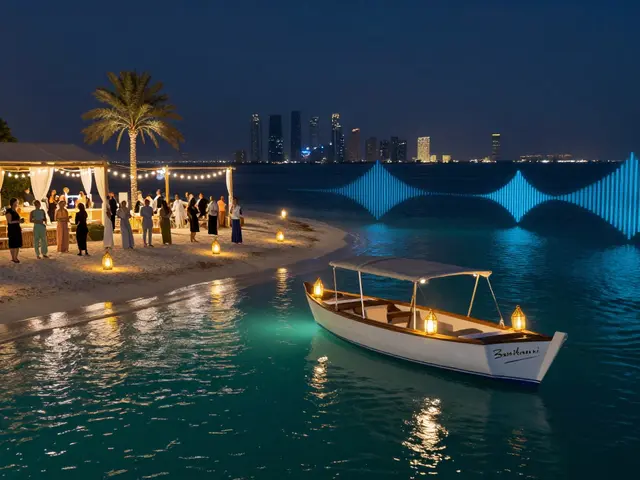
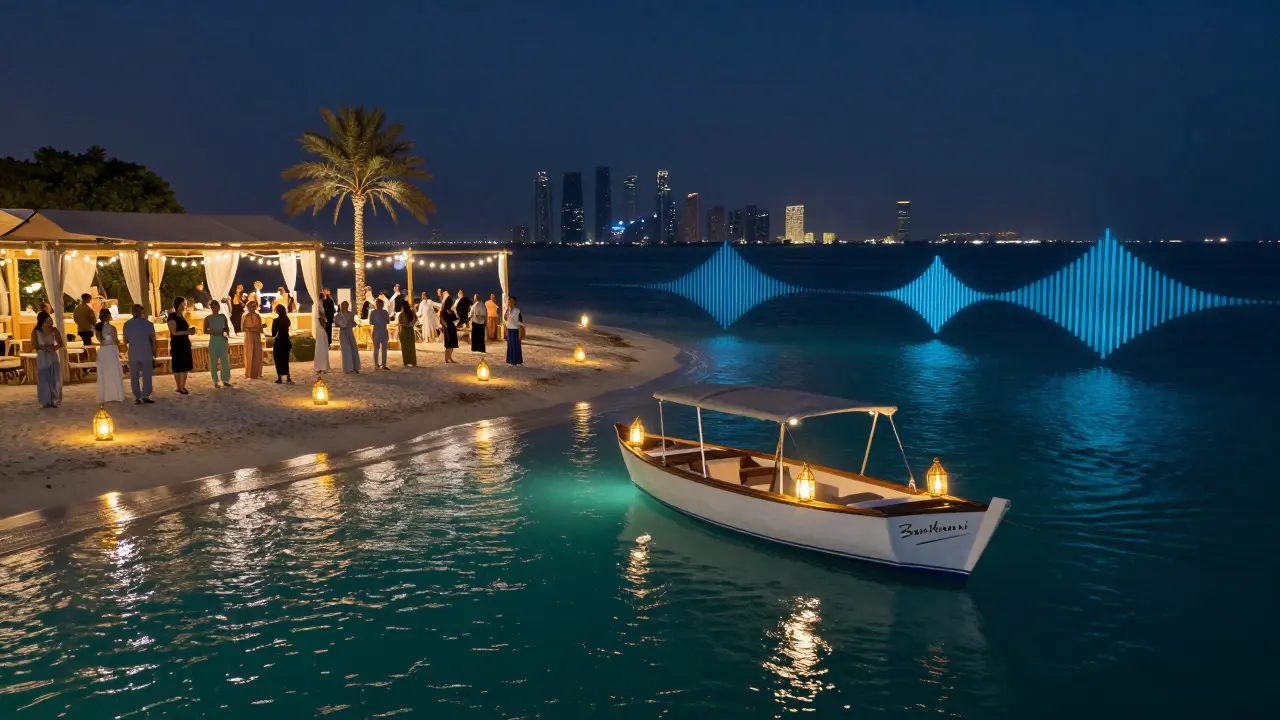
Forget loud clubs with flashing lights and overpriced cocktails. Abu Dhabi’s top nightlife spots are about atmosphere, exclusivity, and service. The most talked-about venue is Zaya Nurai Island is a private island resort with a nightly beachside club that operates only on Fridays and Saturdays. Access is by reservation only, and guests arrive by private boat. The music blends deep house with Arabic melodies, and the crowd? CEOs, royalty, and international celebrities who prefer privacy over paparazzi.
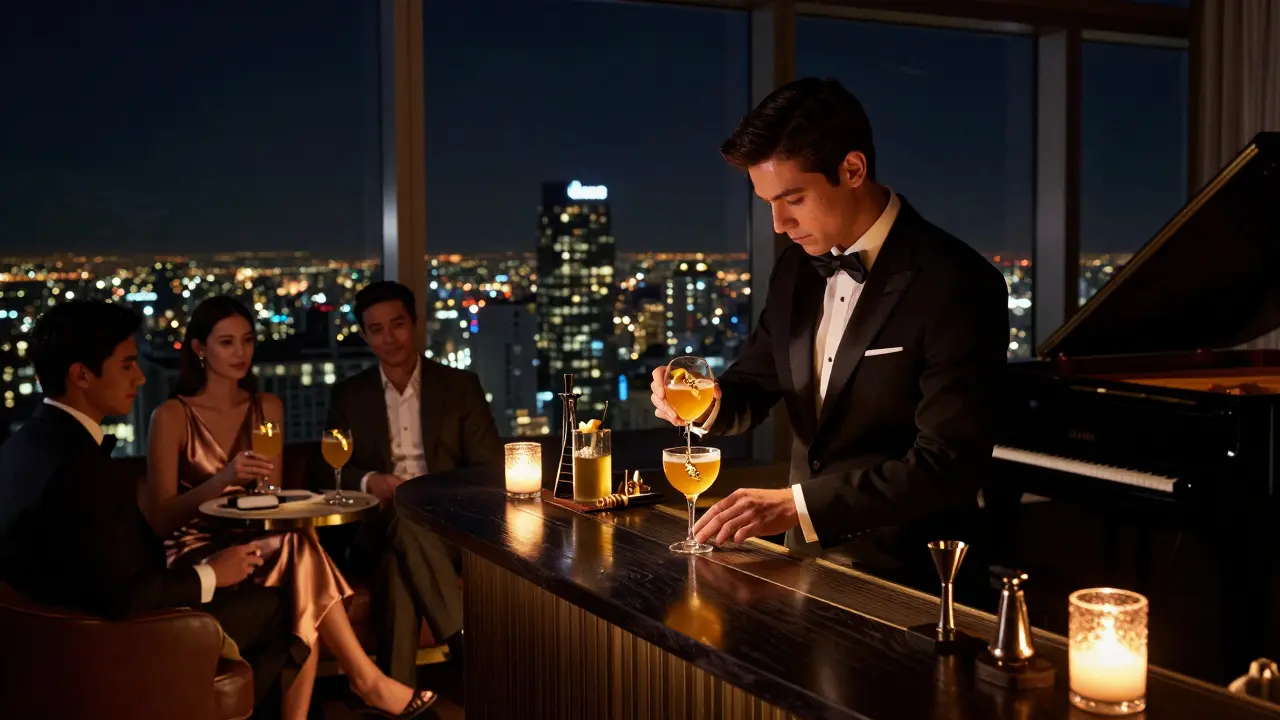
Another standout is Cielo is a rooftop lounge on the 52nd floor of the St. Regis Hotel, known for its 360-degree views of the city skyline and a strict door policy. You won’t find a cover charge listed online. Instead, you need a recommendation from a regular or a pre-booked table. The cocktail menu is curated by a former mixologist from Tokyo’s Bar High Five, and the signature drink-a saffron-infused gin sour-is served with edible gold leaf.
Private Members-Only Clubs
Some of Abu Dhabi’s most exclusive experiences aren’t even listed on Google Maps. Take The Hideout is a members-only club hidden behind an unmarked door in a residential building near Al Bateen. Only 150 people hold memberships, and new ones are approved by a committee. You’ll need to be invited by two existing members and pass a background check. Inside, it’s all velvet couches, vintage jazz, and a whiskey collection with bottles dating back to the 1920s. No phones allowed. No photos. Just conversation, cigars, and live piano.
For those who prefer a more social setting, Al Qasr Private Lounge is a members-only space at the Emirates Palace hotel that opens only after 10 p.m. on weekends. It’s not a club-it’s more like a private salon for diplomats, investors, and high-net-worth locals. The dress code is formal: no sneakers, no hoodies. The bartenders know your name and your usual order before you sit down.
The Art of Getting In
Getting into these places isn’t about how much you spend-it’s about how you present yourself. Most VIP venues in Abu Dhabi don’t rely on bouncers with clipboards. They use a trusted network of concierges, hotel managers, and private event planners to vet guests. If you’re staying at a five-star hotel, ask your butler. They often have direct contacts. A simple phrase like, “I’m looking for a quiet evening with good music and real conversation,” goes further than handing over a stack of cash.
Don’t show up in flip-flops and a T-shirt. Even if the venue doesn’t have a posted dress code, the unspoken rule is: dress like you’re going to a gallery opening, not a party. Men wear tailored shirts or blazers. Women opt for elegant dresses or high-end separates. It’s not about being flashy-it’s about being polished.
Timing matters too. Most venues don’t get busy until after midnight. Arrive too early, and you’ll be seated in a side room. Arrive too late, and you might be turned away. The sweet spot? Between 12:30 a.m. and 1:30 a.m.
What You’ll Pay
Unlike Dubai, where bottle service can run $1,000+, Abu Dhabi’s top spots keep things more discreet. At Cielo, a table for four with three cocktails and a charcuterie board runs about $280. At Zaya Nurai, the boat transfer and entry are included in your resort stay-if you’re a guest. Non-residents pay around $450 for a package that includes transport, entry, and one drink.
The Hideout doesn’t charge for entry, but members pay an annual fee of $5,000. Al Qasr doesn’t have a membership fee, but guests are expected to spend a minimum of $500 per visit on food and drinks. These aren’t places you walk into on a whim. They’re experiences you plan months in advance.
What to Avoid
There are plenty of places that claim to be “VIP” but are just overpriced hotel bars with a neon sign. Skip anything that advertises “Ladies Night” or “Free Entry for Girls.” Abu Dhabi’s elite scene doesn’t operate on gimmicks. If a venue is pushing discounts on Instagram, it’s not the real deal.
Also avoid trying to negotiate entry. Bouncers here don’t take bribes. They take referrals. If you’re turned away, don’t argue. Ask politely if they can recommend another venue. Most will give you a name-often one that’s even more exclusive.
When the Scene Shifts
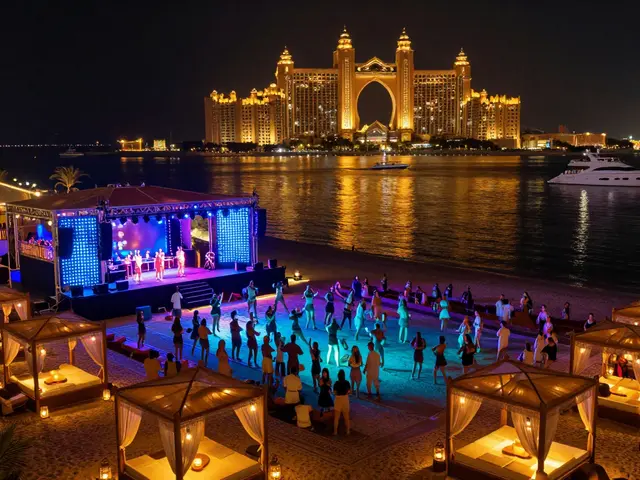
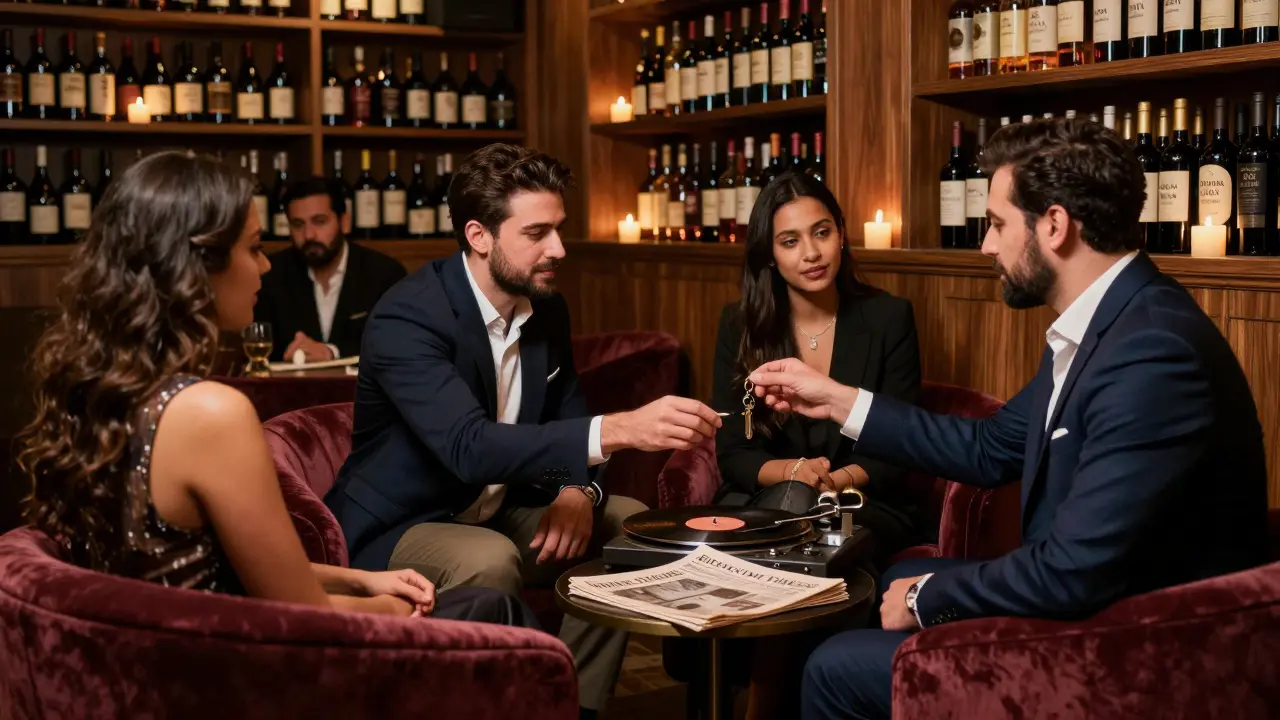
Abu Dhabi’s nightlife isn’t static. It evolves with the seasons. In winter (November to March), outdoor venues like Zaya Nurai and the beachfront lounge at The St. Regis are at their peak. In summer, everything moves indoors. The most popular spot during the heat? The Library is a hidden speakeasy beneath a bookstore in the Central Market district, with air-conditioned lounges and a curated selection of rare wines. It’s open only from 9 p.m. to 2 a.m., and you need a password-given to you by the host if you mention you’re a reader of the Financial Times or Architectural Digest.
During Ramadan, most venues shut down by 10 p.m. and don’t serve alcohol until after sunset. But some, like Al Qasr, operate a private dining room for non-Muslim guests with pre-arranged bookings. It’s not advertised, but if you call ahead and explain your needs, they’ll accommodate you.
Final Tips
- Plan at least two weeks in advance. Many venues require pre-booking.
- Use a local concierge service. Companies like Abu Dhabi Elite Concierge have direct access to these venues.
- Bring your passport. ID checks are strict-even for regulars.
- Don’t drink and drive. Valet parking and private transfers are always available.
- Respect the silence. Loud behavior is not tolerated. This isn’t Las Vegas.
Abu Dhabi’s nightlife doesn’t shout. It whispers. And if you know where to listen, you’ll find experiences you won’t forget.
Can tourists access VIP nightlife venues in Abu Dhabi?
Yes, tourists can access VIP venues, but not without preparation. Most exclusive clubs don’t accept walk-ins. You need a reservation, a referral, or to be staying at a luxury hotel with a concierge who can arrange access. Tourists are welcome, but they must meet the same standards as locals-dress code, behavior, and discretion.
Is there a dress code for VIP clubs in Abu Dhabi?
Absolutely. Most venues enforce a smart-casual to formal dress code. Men should wear collared shirts, tailored pants, and closed-toe shoes. Jackets are preferred but not always required. Women should wear elegant dresses, skirts, or high-end separates. No shorts, flip-flops, sportswear, or oversized hoodies. The rule is simple: if you wouldn’t wear it to a fine dining restaurant, don’t wear it here.
Do I need to pay a cover charge?
Not usually. Most VIP venues in Abu Dhabi don’t charge a cover. Instead, they require a minimum spend on food or drinks-often $150-$500 per table. Some, like The Hideout, are members-only and don’t charge per visit. Others, like Zaya Nurai, include entry in a resort package. Cash is rarely accepted. Payment is usually linked to your hotel room or a credit card on file.
Are there any VIP clubs open during Ramadan?
Most venues reduce hours or close entirely during daylight hours in Ramadan. Alcohol service stops at sunset and resumes after Iftar. Some private lounges, like Al Qasr, offer non-Muslim guests a private dining area with alcohol service after 9 p.m., but only by prior arrangement. Always confirm in advance-rules vary by venue and year.
What’s the best way to get into The Hideout?
The Hideout doesn’t accept applications or inquiries. Access is by invitation only. Your best bet is to be introduced by a current member-often someone who works in finance, diplomacy, or luxury real estate in Abu Dhabi. If you’re staying at a five-star hotel, ask your butler if they can connect you with someone who has a membership. It’s not guaranteed, but it’s the only realistic path.
For those who want to explore beyond the VIP scene, consider a sunset dhow cruise along the Corniche or a quiet evening at the Louvre Abu Dhabi’s rooftop café. The city’s real magic lies in its contrasts-between tradition and modernity, silence and sound, privacy and spectacle.