Paris isn’t just about croissants and the Eiffel Tower. If you’ve ever danced to a pulsing timbale or felt the heat of a conga line under dim lights, you know Latin music doesn’t need Havana or Bogotá to come alive. Paris has been quietly building one of Europe’s most vibrant salsa and Latin scenes since the 1990s, and today, it’s impossible to ignore. You don’t need to be a professional dancer. You don’t even need to speak French. All you need is a pair of comfortable shoes and the willingness to move.
La Clandestine
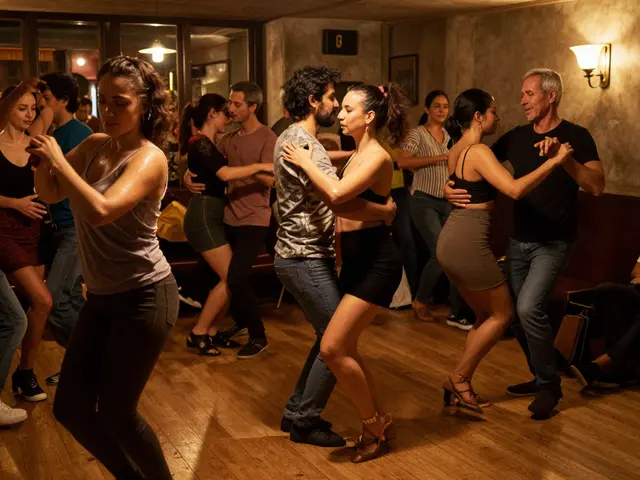
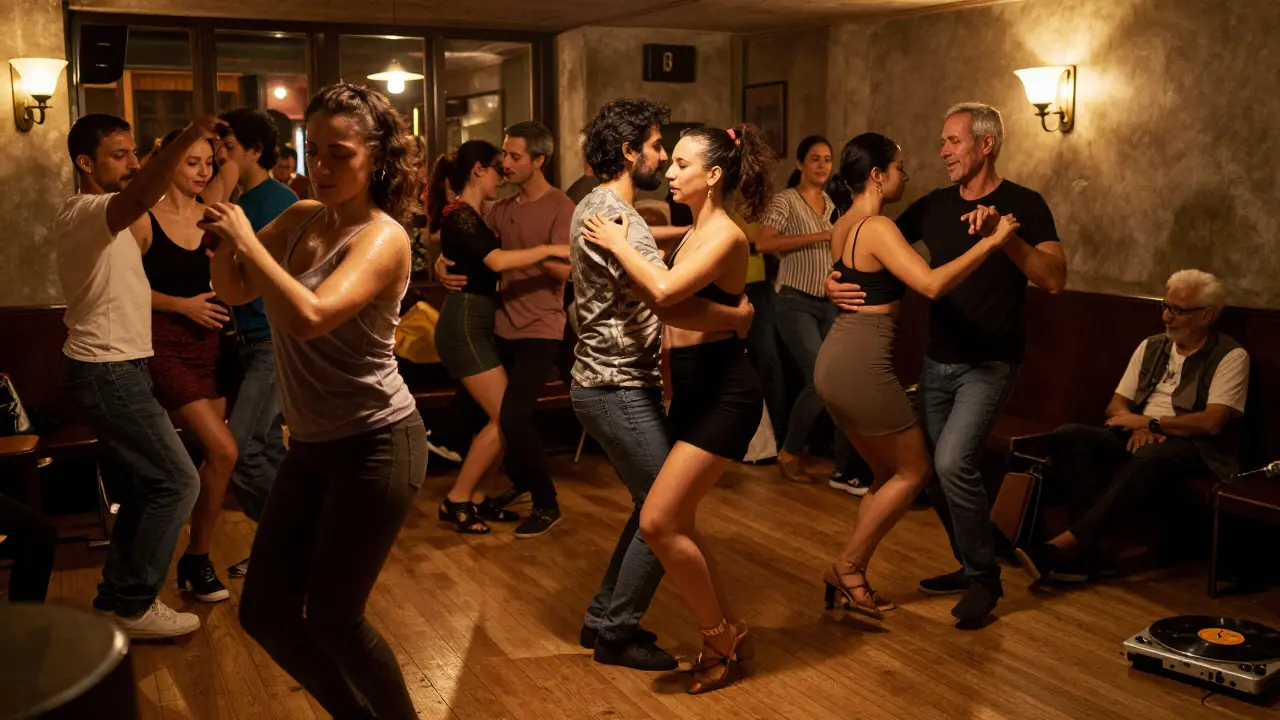
Hidden behind an unmarked door in the 11th arrondissement, La Clandestine is where locals go when they want to dance without the tourist crowd. The space is small-barely 80 people max-but the energy is electric. On Wednesday nights, they host salsa classes followed by open dancing until 2 a.m. The DJ plays classic Cuban son mixed with modern Colombian cumbia, and the floor never stays still. No cover charge before 10 p.m., and the bartenders know how to mix a perfect mojito without asking twice. This isn’t a show. It’s a community. Regulars include French teachers from Lyon, Colombian students from Sorbonne, and retired Cuban musicians who still bring their own records.
Le Perchoir Marais
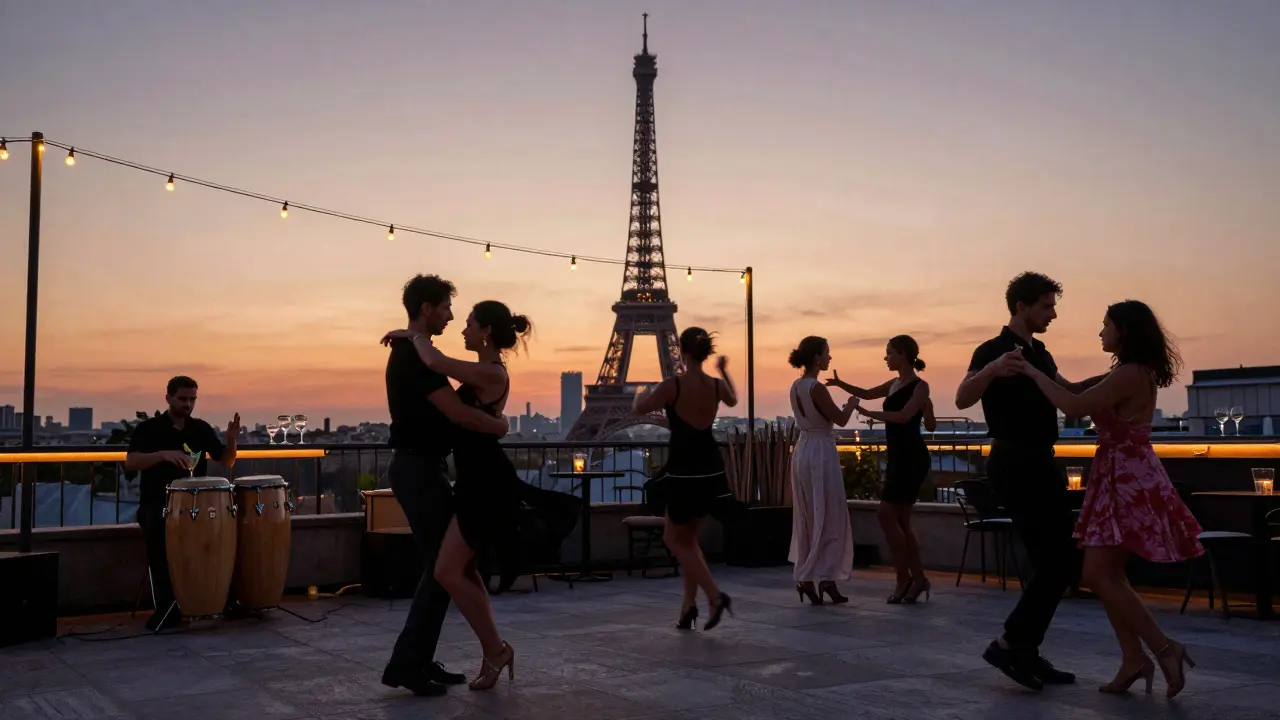
If you want Latin nightlife with a view, head to Le Perchoir Marais. Perched on the rooftop of a 19th-century building, this spot turns into a Latin dance floor every Friday and Saturday. The terrace overlooks the rooftops of Le Marais, and as the sun sets, the lights come on, the bass kicks in, and the crowd shifts from cocktails to cha-cha. The music leans heavily on Puerto Rican plena and Mexican cumbia, with occasional live percussionists who jump on stage without warning. The crowd is young, diverse, and surprisingly skilled. You’ll see people in heels and blazers spinning into salsa steps like they’ve been doing it since childhood. It’s not cheap-drinks start at €12-but the vibe is unforgettable.
Le Balajo
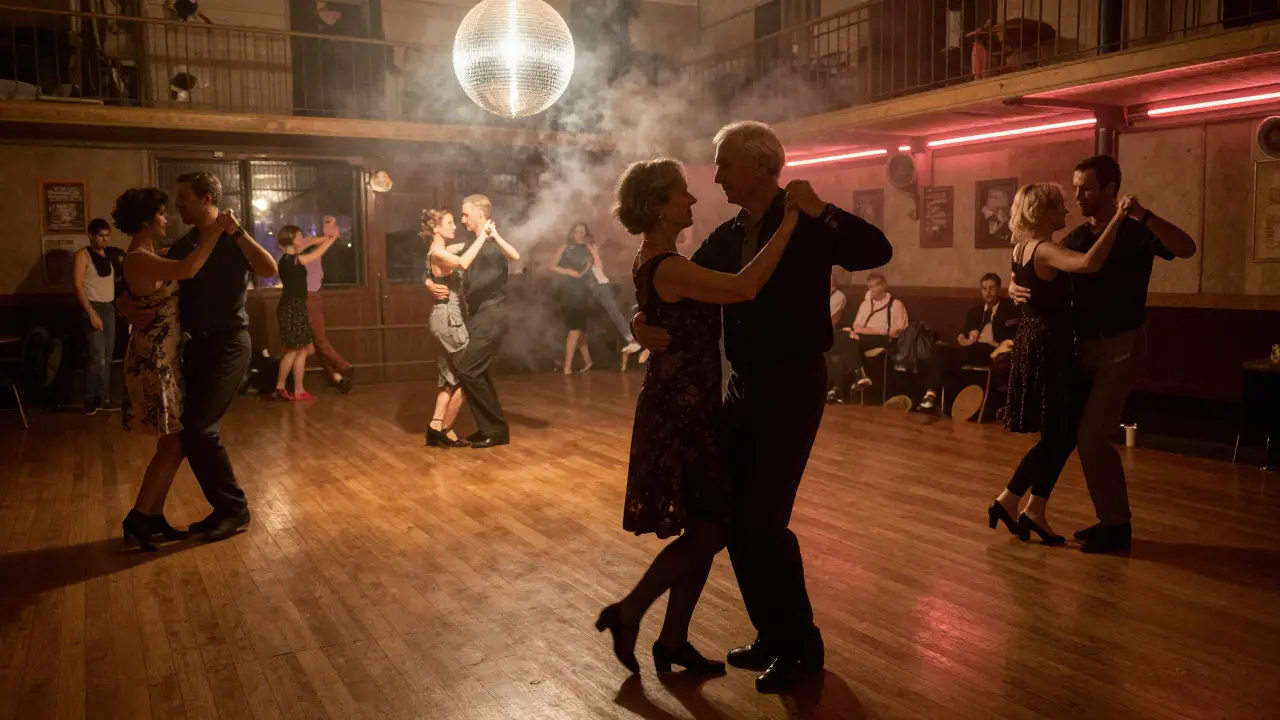
Le Balajo has been around since 1932. It’s one of the oldest dance halls in Paris, and it still holds its own. Located in the 14th, this place doesn’t try to be trendy. It just dances. Every Thursday, they host a dedicated Latin night with live bands that play everything from mambo to bachata. The floor is wooden, worn smooth by decades of feet. The air smells like sweat, tobacco, and old wood. There’s no fancy lighting, no neon signs-just a single disco ball and a wall of speakers that shake your ribs. You’ll find couples who’ve been dancing here since the 1980s, and newcomers who came for one night and never left. The admission is €8, and you can stay until 3 a.m. No one rushes you out. It’s raw. It’s real. It’s the soul of Parisian Latin nightlife.
La Bellevilloise
La Bellevilloise isn’t just a club. It’s a cultural hub. This former workers’ hall in the 20th arrondissement hosts everything from punk gigs to Afrobeat nights. But every third Saturday of the month, it becomes a Latin paradise. The main room transforms into a massive dance floor, with DJs spinning high-energy salsa, merengue, and reggaeton. The sound system is top-tier, and the lighting is designed to make every move look cinematic. You’ll see dancers in full Afro-Caribbean dresses, men in sharp suits, and teenagers trying their first rueda de casino. The crowd is mixed, loud, and full of joy. They serve cheap beer and empanadas from a food truck parked outside. If you want to feel the pulse of Paris’s Latin youth, this is your place.
Le Trianon
Le Trianon is where big names come to play. This historic venue in the 18th arrondissement has hosted everyone from Buena Vista Social Club to Marc Anthony. On select nights, they bring in international Latin artists for full concerts. But even on non-concert nights, they host themed Latin dance parties with guest DJs from Mexico City, Bogotá, and Santiago. The sound quality is studio-grade. The crowd is polished, and the dress code leans toward “elegant casual.” You won’t find barefoot dancers here. But you will find people who know how to lead, how to follow, and how to make the whole room feel like a celebration. Tickets range from €25 to €60, depending on the act. It’s not every night, but when it happens, it’s unforgettable.
What to Expect When You Dance
Parisian salsa and Latin nights aren’t like Miami or New York. There’s no pressure to perform. No one judges your footwork. The vibe is more about connection than competition. You’ll see people dancing with strangers, with friends, with their partners-sometimes all three in one night. The music is never too loud. The floors are never too slippery. And unlike other cities, there’s almost no language barrier. You don’t need to say a word. Just step into the rhythm.
Most clubs start dancing around 10 p.m. and don’t wind down until 2 a.m. or later. Dress smart-casual: dark jeans, a nice top, and shoes that won’t slide. Don’t wear flip-flops. You’ll regret it. Bring cash. Many places still don’t take cards after midnight. And if you’re new, show up early. Some nights, you’ll wait 20 minutes just to get in.
Where to Learn Before You Go
If you’ve never danced salsa before, don’t panic. Paris has dozens of beginner-friendly classes. Look for École de Salsa de Paris in the 13th-they offer drop-in lessons for €10. Or try La Danza in the 10th, which teaches bachata and cumbia on Tuesdays. Most classes are in French, but instructors always repeat key steps in English. You’ll pick it up faster than you think. Even if you’ve never moved to a beat, by the third class, you’ll be turning in a circle without thinking.
Seasonal Events and Festivals
Every July, Paris hosts the Festival de la Salsa-a week-long celebration with free outdoor dances, workshops, and live bands across 12 venues. It’s free to attend, and the city shuts down streets in Montmartre and Belleville for dancing. In December, the Latin Night Parade brings over 2,000 dancers through the 11th arrondissement, all in colorful costumes, dancing to live percussion. These aren’t tourist traps. They’re community events, organized by local dance schools and cultural associations. If you’re in town during these times, don’t miss them.
Why Paris Works for Latin Dance
Paris has a long history with Latin culture. Cuban and Puerto Rican immigrants brought their music here in the 1950s. By the 1980s, it had merged with French jazz and house music. Today, the city’s Latin scene is a hybrid-part African, part Caribbean, part European. The clubs aren’t trying to copy Havana. They’re building something new. And that’s why it feels fresh. You won’t find a single “authentic” experience here. But you will find dozens of real ones.
Do I need to speak French to dance at these clubs?
No. Most regulars speak at least basic English, and the music speaks louder than words. Instructors in beginner classes often use English to explain steps. You’ll pick up phrases like "un paso" and "gira" fast, but you don’t need them to enjoy the night.
Are there any free salsa nights in Paris?
Yes. Every Tuesday at La Clandestine, they offer a free beginner lesson from 8 to 9 p.m., followed by open dancing. Also, during the summer Festival de la Salsa, outdoor dances are completely free. Some parks like Parc de la Villette host impromptu salsa circles on weekends.
What’s the best night to go if I’m visiting Paris for just one day?
Go on a Friday at Le Perchoir Marais. The view, the music, and the crowd make it the most memorable single-night experience. If you prefer raw energy over views, choose Saturday at Le Balajo. It’s the heartbeat of the scene.
Is it safe to go out alone to these clubs?
Yes. Parisian Latin clubs are known for being welcoming and safe, especially for solo dancers. The community is tight-knit, and staff are trained to intervene if someone feels uncomfortable. Stick to well-known venues, avoid isolated streets after 2 a.m., and you’ll be fine.
Can I bring my own music or request songs?
Not usually. DJs in Paris have carefully curated playlists that match the crowd and the vibe. Asking for a specific song can come off as rude. If you love a track, dance to it. If you don’t hear it, come back next week-there’s always something new.