London’s nightlife isn’t just about loud music and crowded clubs. For history buffs, the city’s after-dark scene is a living museum where every corner holds a story older than most countries. You don’t need a guidebook or a timed ticket-just walk in, order a pint, and listen. The walls have been talking for centuries.
The George Inn: Where Dickens Sat and Drank
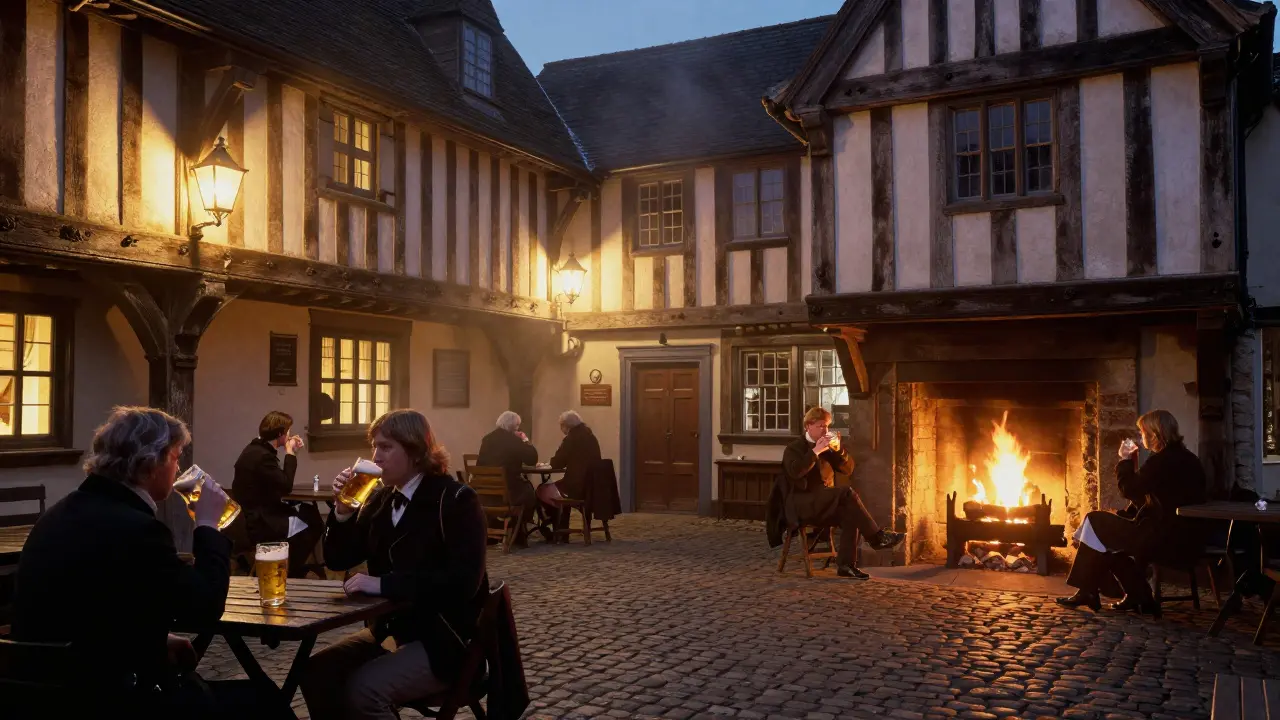
The George Inn in Southwark is the last remaining galleried coaching inn in London. Built in the 1670s, it’s where Charles Dickens sat with friends, drank porter, and likely plotted scenes for Bleak House. Today, it still serves real ales from the same casks, under the same timbered roof that survived the Great Fire of 1633. The courtyard, paved with original cobblestones, is lit by gas lamps-yes, real ones, still lit by hand every evening. No DJs. No neon. Just the crackle of fire, the clink of tankards, and the murmur of voices that sound like they’ve been here since the 1700s.
The Tabard: A Literary Pub With a 500-Year-Old Soul
Just a stone’s throw from Chaucer’s Canterbury Trail, The Tabard in Borough has been serving travelers since 1307. It’s the oldest pub in London still operating on its original site. Chaucer’s pilgrims likely stopped here before setting off for Canterbury. The original stone fireplace still warms the back room, and the ceiling beams are so thick you can see the axe marks from medieval carpenters. They serve cask ales, roast beef on Sundays, and no one rushes you. The landlord, a third-generation pub keeper, still knows which table Chaucer sat at-though he won’t tell you which one. You’ll have to decide for yourself.
The Red Lion: The Pub That Outlived the Plague
On the edge of the City, tucked behind a narrow alley near Holborn, The Red Lion dates back to 1585. It survived the Great Plague, the Blitz, and three different royal reigns. The bar counter is made from the same oak that was cut in the 16th century. The cellar, now used for storage, was once a hiding place for Catholic priests during Elizabethan persecution. On quiet nights, you can hear the echo of footsteps from centuries ago-staff swear they’ve seen shadowy figures in the corner, sipping ale. They don’t serve cocktails. They serve history, poured straight from the cask.
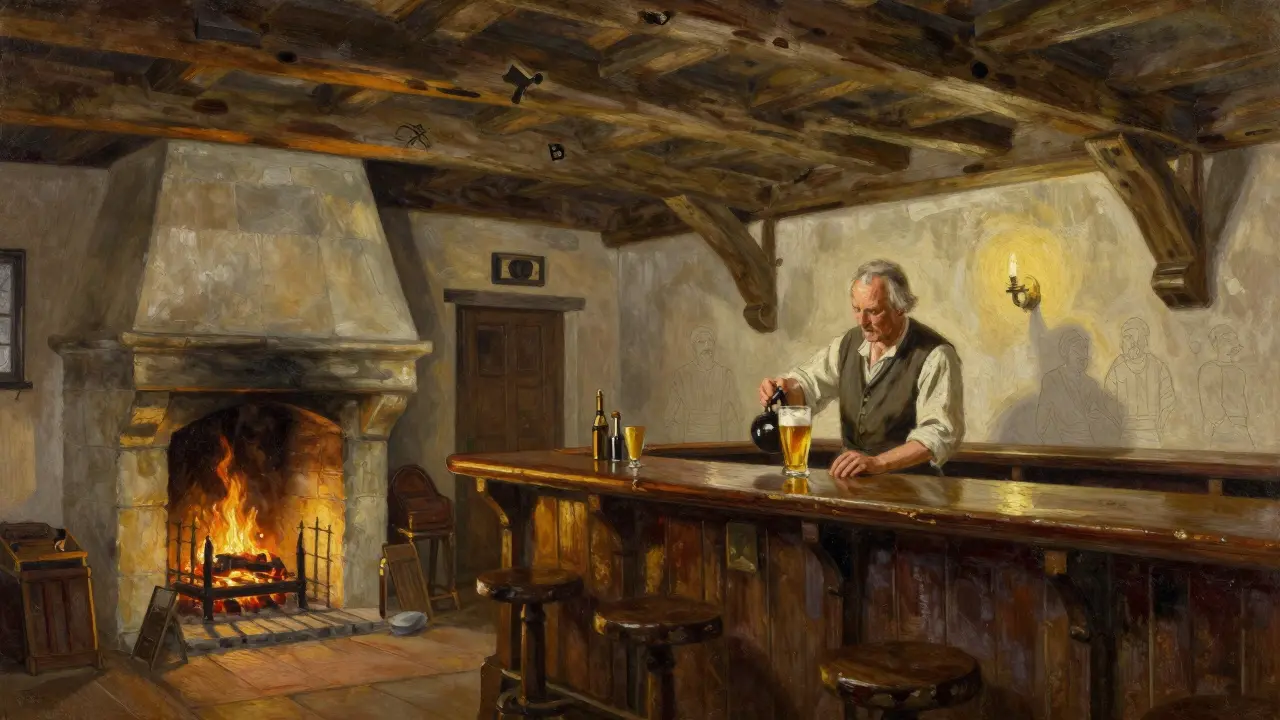
Ye Olde Cheshire Cheese: A Literary Hideout in the Shadow of St. Paul’s
Rebuilt after the Great Fire, Ye Olde Cheshire Cheese has been a haunt for writers since the 17th century. Samuel Johnson, Mark Twain, and Charles Dickens all drank here. Twain wrote in his journal that the pub felt like “a cave of forgotten kings.” The interior is a maze of low ceilings, uneven floors, and dimly lit alcoves. The bar still uses the same pewter tankards from 1898. You can sit in the exact spot where Dickens wrote parts of A Tale of Two Cities. The staff won’t interrupt you. They know you’re here to listen, not to post on Instagram.
The Spaniards Inn: Ghosts, Highwaymen, and a 400-Year-Old Bar
Perched on Hampstead Heath, The Spaniards Inn has stood since 1585. It was once a toll house for highwaymen who robbed coaches heading into London. Legend says Dick Turpin drank here before his infamous ride to York. The bar’s original oak beams still bear the scratches from 17th-century swords. The pub’s cellar was used to lock up prisoners before they were transported to Newgate. Today, it’s one of the few places in London where you can drink a pint beside a fireplace that’s been lit for over 400 years. The ghost of a highwayman is said to tip his hat to patrons who leave a shilling on the bar. Some say it’s just the wind. Others say they’ve seen the hat.
How to Navigate London’s Historic Nightlife
Don’t expect late-night dance floors or cocktail bars with molecular garnishes. These places close at 11 p.m. on weekdays and midnight on weekends. No one’s rushing you out-you’re not a customer, you’re a guest. Bring cash. Most of these pubs don’t take cards. Dress casually but respectfully. No flip-flops or neon jerseys. These are not clubs-they’re sanctuaries.
Plan your route. Many of these pubs are in narrow alleys or hidden courtyards. Google Maps won’t always find them. Use the London Historic Pubs app by the London Museum. It maps 87 surviving pubs older than 1700, with historical notes and opening times. You’ll find the ones that still serve real ale, have original interiors, and haven’t been turned into gastropubs with truffle fries.
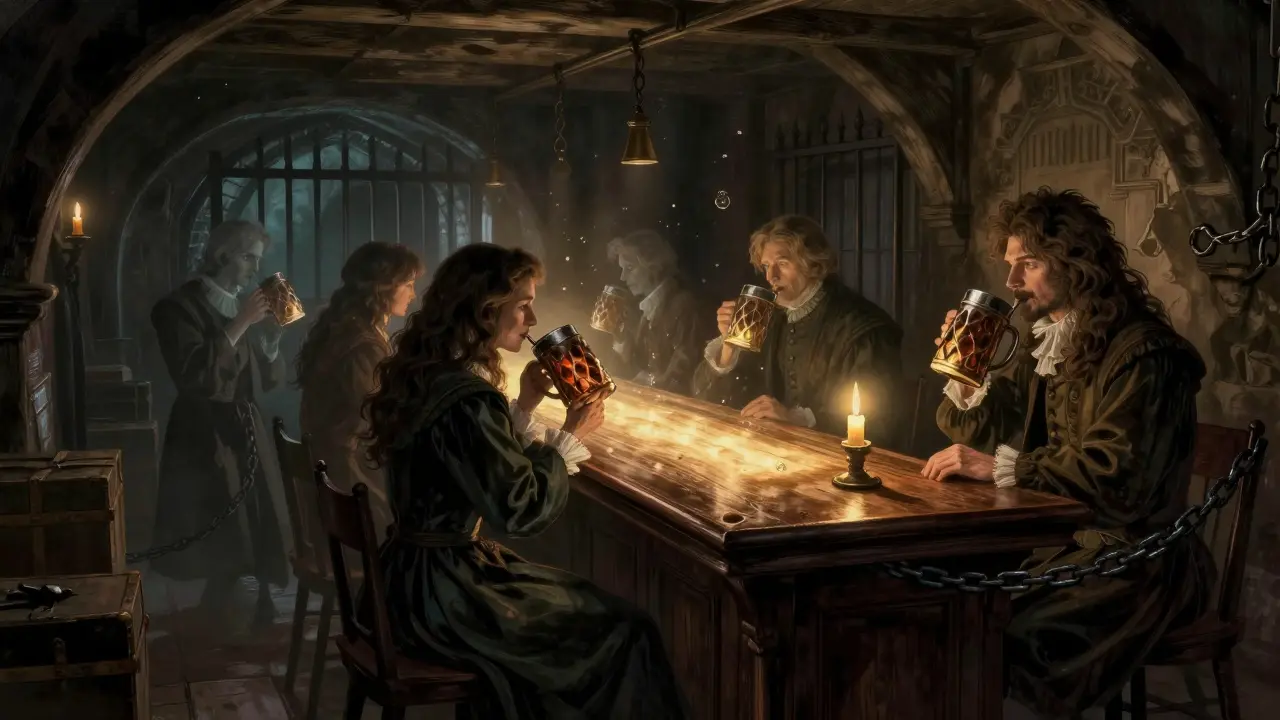
What Makes a Pub Truly Historic?
Not all old pubs are created equal. A pub that opened in 1820 and was rebuilt in 1950 isn’t historic-it’s renovated. True historic pubs have:
- Original timber frames or stone walls from before 1800
- Unchanged layout (no open-plan conversions)
- Real fireplaces still in use
- Bar counters made from original wood, not veneer
- Staff who’ve worked there longer than the manager has been alive
- No branded merchandise or corporate logos
Ask the barman: “When was this place last rebuilt?” If they say “never,” you’re in the right place.
Why This Matters More Than Ever
London has lost over 300 historic pubs since 2000. Every one that survives is a thread holding together the city’s past. These aren’t tourist traps. They’re living archives. The same wood that held a 17th-century smuggler’s tankard now holds yours. The same hearth that warmed a Victorian poet warms your hands tonight.
When you sit in one of these places, you’re not just drinking. You’re participating in a ritual older than democracy. The air smells of smoke and oak. The floor creaks like a diary page turning. And for a few hours, time doesn’t move forward-it circles back.
Where to Go Next
After your pub crawl, walk to the nearby London Museum to see their permanent exhibit on historic drinking culture. Or visit the Temple Bar Memorial at the edge of the City-it marks where the old city gates once stood, and where drunk poets used to be turned away at midnight.
There’s a quiet pub called The Bell in Clerkenwell that opened in 1498. It’s tucked behind a bookstore. No sign. Just a bell on the door. If you hear it ring, you’ve found it.
Are these historic pubs open every night?
Most historic pubs in London are open seven days a week, but hours vary. Many close by 11 p.m. on weekdays and midnight on weekends. Some close for private events or holidays. Always check their website or call ahead-many don’t have online booking or social media pages.
Do these pubs serve food?
Yes, but not like modern restaurants. You’ll find traditional British fare: pies, roast beef, ploughman’s lunches, and bangers and mash. No sushi, no avocado toast. Most serve food until 9 p.m. or 10 p.m. If you’re hungry after, you’re better off eating before you go.
Can I take photos inside?
Yes, but quietly. These are not Instagram backdrops-they’re homes. Don’t use flash. Don’t block the bar. Don’t drag friends in for a photoshoot. If you’re respectful, staff won’t mind. If you’re loud or disruptive, you’ll be asked to leave. These places have survived 400 years because people treated them with care.
Are these places expensive?
A pint of real ale costs between £5 and £7. A meal runs £12-£18. That’s more than a supermarket beer, but less than a cocktail in Shoreditch. You’re not paying for branding-you’re paying for centuries of history, craftsmanship, and quiet corners that haven’t changed.
What if I want to find more historic pubs?
Use the London Historic Pubs app by the London Museum. It lists 87 pubs with verified dates, original features, and opening hours. You can also visit the Campaign for Real Ale (CAMRA) website-they maintain a national database of historic pubs that serve real ale. Look for pubs with the “National Inventory of Historic Pub Interiors” label.