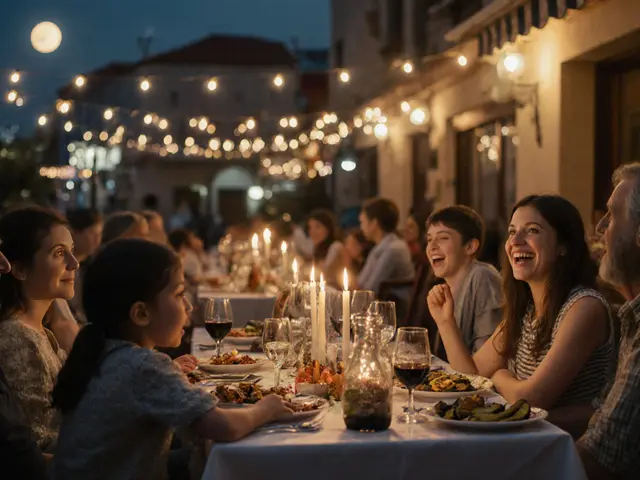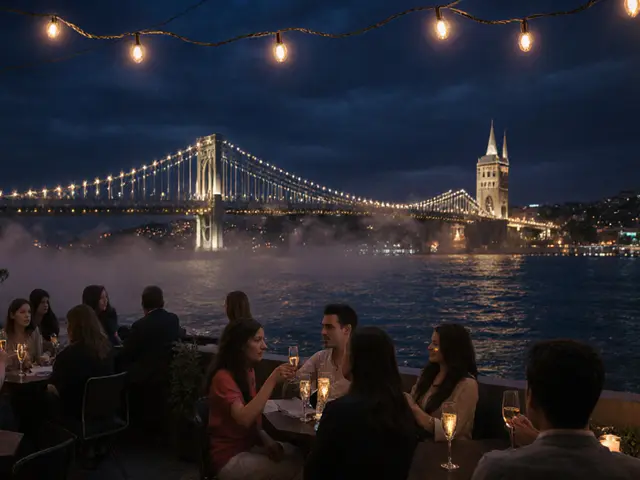
When the sun sets over the Bosphorus, Istanbul doesn’t sleep-it transforms. The city’s nightlife isn’t just about drinking or dancing. It’s a living archive of centuries, where Ottoman-era coffee houses whisper into modern bass-heavy clubs, and rooftop bars overlook minarets that have watched over this city for 1,500 years. You can sip raki next to a 16th-century fountain, then dance until dawn in a basement venue that used to be a Byzantine wine cellar. This isn’t just a party scene. It’s a cultural time machine.
Where the Night Begins: Beyoğlu and İstiklal Avenue
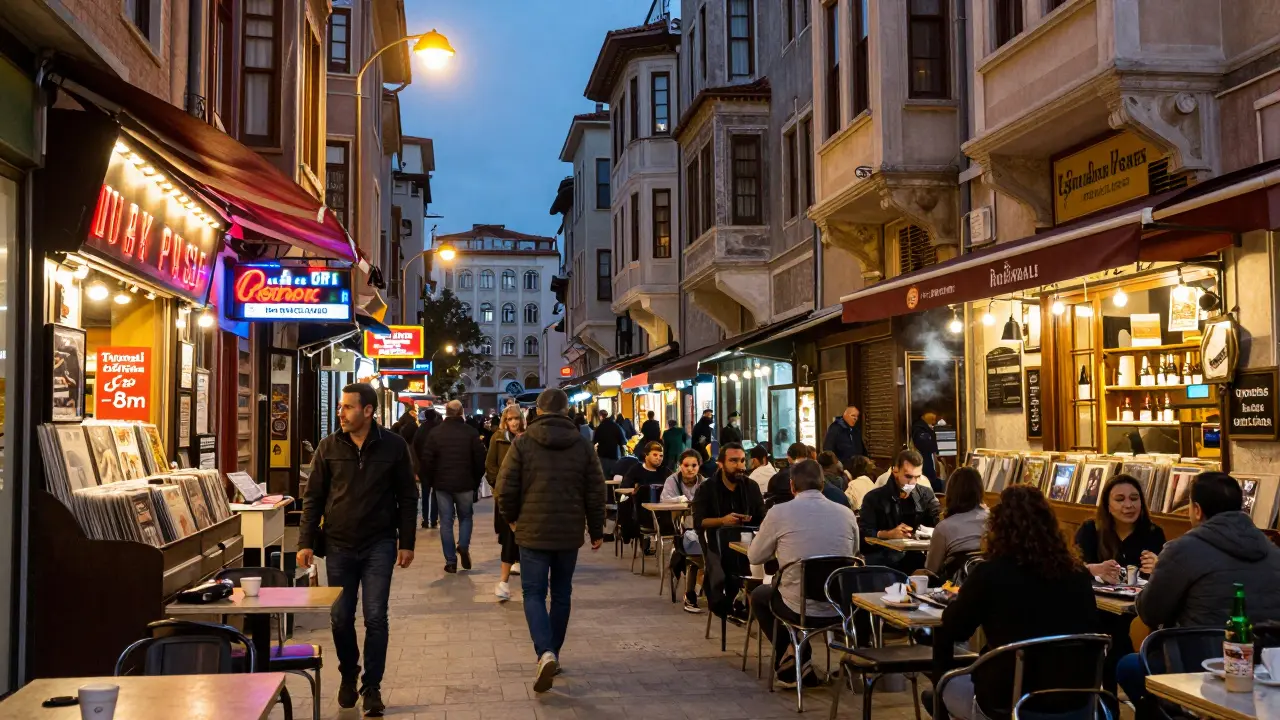
Start your night where Istanbul’s pulse is strongest: Beyoğlu, along İstiklal Avenue. This 1.4-kilometer pedestrian street is packed with people every night, but it’s not a tourist trap-it’s a real neighborhood alive with locals. You’ll find vintage record shops next to neon-lit cocktail bars, jazz trios playing in hidden courtyards, and street performers who’ve been doing this for decades. The air smells like grilled mackerel, fresh simit, and cigarette smoke from the old men who sit outside the historic Çiçek Pasajı, a 19th-century arcade now filled with wine bars.
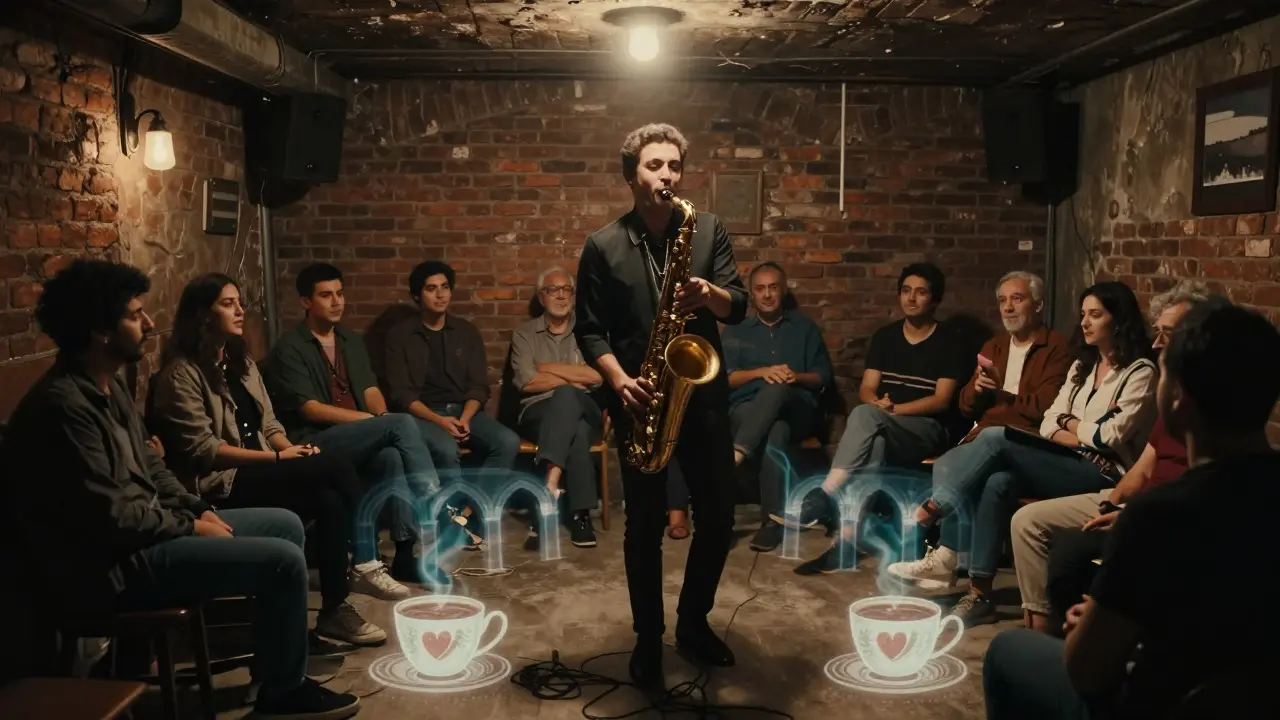
By 10 p.m., the crowd shifts. Locals in their 20s and 30s head to Bar 313, where the playlist mixes Turkish pop with deep house. No cover charge. No dress code. Just a long wooden bar, dim lighting, and a bartender who remembers your name after one visit. Nearby, Arka Sokaklar is a tiny basement bar with no sign. You’ll know you’re in the right place if you hear a saxophone playing a haunting rendition of a 1970s Turkish folk song. This is where Istanbul’s underground music scene lives.
The Rooftop Revolution: Views That Last Longer Than the Drinks
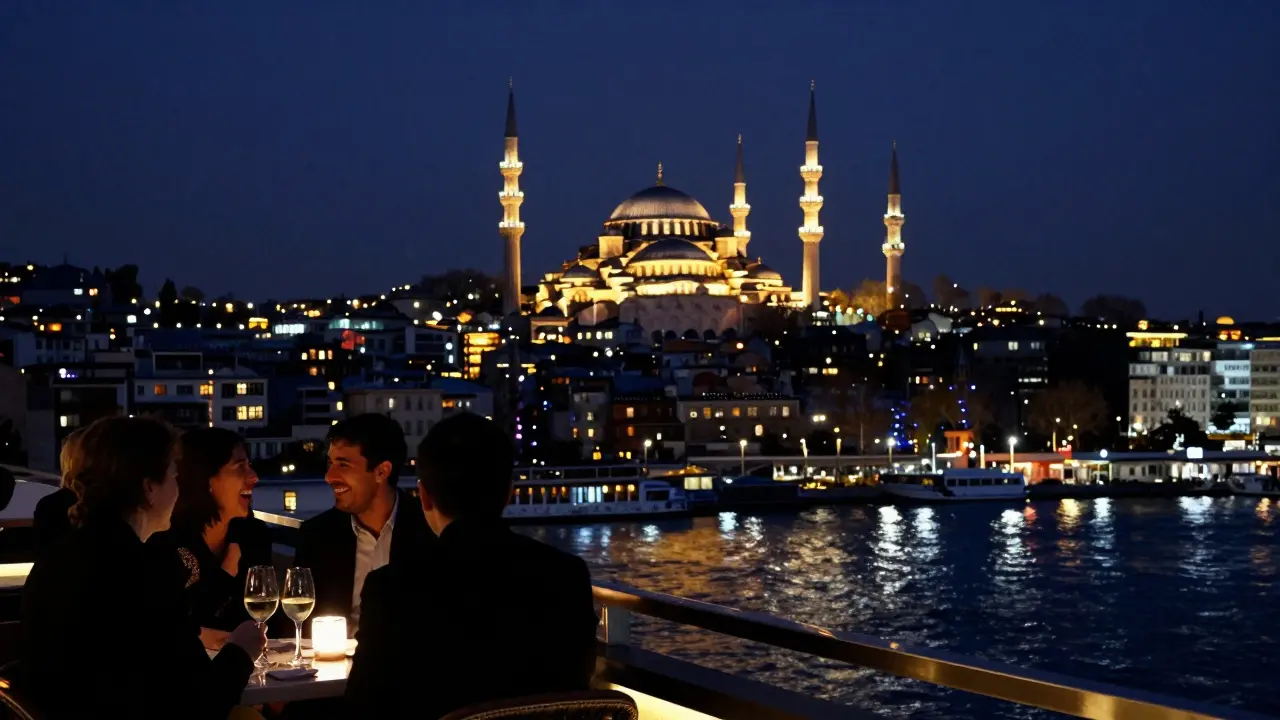
Want to see the city glow? Head to one of Istanbul’s rooftop bars. These aren’t just places to drink-they’re observation decks with cocktails. At 360 Istanbul on the 23rd floor of the Swissôtel, you get a panoramic view of the Sultanahmet skyline. The Bosphorus sparkles below, the Blue Mosque glows gold under spotlights, and the Galata Tower stands like a sentinel. A glass of local white wine costs 120 Turkish lira-about $4-and it’s worth every lira.
For something quieter, try Karaköy Life in the old docks district. It’s a rooftop garden with hammocks, fairy lights, and a menu of homemade limonata and rakı cocktails. Locals come here to talk, not to Instagram. You’ll hear conversations in Turkish, English, and Arabic. It’s not loud. It’s not crowded. It’s the kind of place where you end up staying for three hours because you forgot you had anywhere else to be.
Clubs That Don’t Sleep: From Underground to International
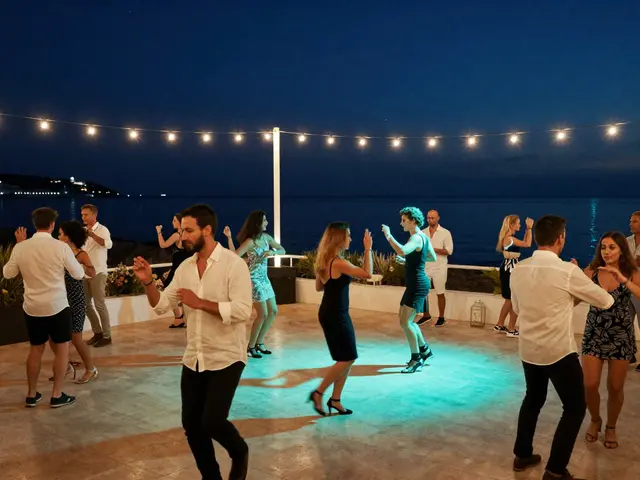
Istanbul’s club scene is split into two worlds: the underground and the international. If you want raw energy, go to Reina on the Bosphorus shore. It’s a massive, open-air venue with three dance floors, a 200-person capacity, and DJs who’ve played at Berghain and Fabric. The music changes every night-techno on Wednesdays, deep house on Fridays, live electronic acts on weekends. Entry is 150 lira after midnight. No VIP tables. No pretense. Just people dancing until the sun comes up.
For something more experimental, head to Barış Manço in Kadıköy. It’s not a club-it’s a cultural project. Every Friday, local artists take over the space. One night it’s a noise performance with Turkish saz instruments and analog synths. Another night, it’s a spoken-word session with poets reading in Kurdish, Armenian, and Turkish. The crowd? Students, musicians, retirees, and tourists who stumbled in by accident. No one is turned away. No one is judged.
The Old Ways: Coffee, Hookah, and Quiet Nights
Not everyone in Istanbul wants to dance until 4 a.m. Some nights, the best nightlife is a quiet one. In the historic district of Balat, you’ll find Çamlıca Kahvesi, a 1920s coffee house that still serves Turkish coffee in copper cups. The walls are covered in old photos of singers from the 1950s. The owner, a man in his 70s, plays vinyl records of early Turkish jazz. You can sit for hours with a single cup. No one rushes you. No one asks you to leave.
Across the city, hookah lounges like Smoke & Spice in Nişantaşı offer a different kind of rhythm. The smoke curls slowly. The music is soft. The conversations are deep. It’s a place where business deals are made, love stories begin, and friendships are forged over flavored tobacco and mint tea. The most popular blend? Apple with a hint of rose. It’s not about the nicotine. It’s about the pause.
When the City Gets Wild: Festival Nights and Secret Events
Every month, Istanbul throws a secret party. Not advertised on Instagram. Not on Eventbrite. You hear about it through word of mouth. One night last year, 200 people showed up in an abandoned textile factory in Üsküdar. There were no lights, just lanterns hanging from the ceiling. A Turkish folk band played with a drum machine. A chef served lamb kebabs on wooden planks. At 3 a.m., someone started dancing on a pile of old carpets. No one knew who organized it. No one cared.
These events happen during the spring and fall. They’re organized by artists, students, and former club owners who got tired of commercial venues. To find them, join local Facebook groups like Istanbul Hidden Nights or ask at independent bookshops like Boğaziçi Kitap. The door is always open. The price is always cash. The memory lasts forever.
What to Know Before You Go
- Alcohol is legal, but don’t drink on the street after midnight. Police enforce this, especially near mosques.
- Cash is still king in many bars. Cards work in tourist spots, but not always in hidden venues.
- Public transport runs until 2 a.m. on weekdays and 4 a.m. on weekends. After that, use BiTaksi or Uber. Fares are cheap-under 100 lira across the city.
- Don’t assume all clubs are gay-friendly. Most are, but some are not. Bar 313 and Reina are safe bets. If you’re unsure, ask.
- Leave your passport at your hotel. You won’t need ID unless you’re over 25 and look young.
The Real Secret of Istanbul’s Nightlife
The magic of Istanbul’s nightlife isn’t in the music, the views, or the drinks. It’s in the way people move between worlds. An Orthodox priest might walk into a techno club after midnight. A Syrian refugee might play oud at a rooftop bar. A German expat might teach a group of Turkish teens how to make a proper cocktail. This city doesn’t separate its past from its present. It layers them.
When you leave Istanbul at dawn, you won’t remember the name of the club. You’ll remember the smell of the sea, the sound of a stranger singing a folk song in the alley, the way the call to prayer mixed with a bassline one night and made you feel like you were part of something older than yourself.
Is Istanbul nightlife safe for tourists?
Yes, Istanbul’s nightlife is generally safe for tourists, especially in well-known areas like Beyoğlu, Karaköy, and the Bosphorus strip. Violent crime is rare, but petty theft like bag snatching can happen in crowded spots. Stick to busy streets, avoid poorly lit alleys after midnight, and keep valuables out of sight. Most bars and clubs have security, and police patrols are common on weekends.
What’s the best night to go out in Istanbul?
Friday and Saturday nights are the busiest, with the most venues open and the best DJs playing. But if you want a more authentic, local experience, try Thursday. It’s quieter, cheaper, and less crowded. Many locals treat Thursday as their big night out before the weekend rush. You’ll find better music, friendlier bartenders, and more space to move around.
Do I need to speak Turkish to enjoy Istanbul’s nightlife?
No, you don’t need to speak Turkish. English is widely spoken in bars, clubs, and rooftop venues, especially in tourist areas. But learning a few phrases like "Teşekkür ederim" (thank you) or "Bir raki lütfen" (one raki, please) goes a long way. Locals appreciate the effort, and you’ll often get better service-or even a free appetizer.
Are there age restrictions for nightlife in Istanbul?
Yes. The legal drinking age is 18, but many clubs enforce a 21+ policy, especially in upscale areas. You might be asked for ID even if you look older. Always carry a photo ID. Some venues, like underground parties and hookah lounges, are more relaxed and may allow 18+ entry without strict checks.
What’s the average cost of a night out in Istanbul?
A night out can cost anywhere from 500 to 1,500 Turkish lira ($15-$50), depending on where you go. A cocktail in a rooftop bar is 120-200 lira. A beer at a local pub is 60-80 lira. Club entry is usually 100-200 lira, often waived if you arrive before midnight. Food is extra-kebabs and mezes cost 100-250 lira. Budgeting 1,000 lira covers a solid night without overspending.
If you’re planning your first night in Istanbul, skip the guidebooks. Ask a local. Walk into a bar with no sign. Sit at the counter. Order the house special. Let the city lead you. You’ll leave with more than memories-you’ll leave with a new rhythm in your step.