Milan doesn’t just dress well-it knows how to turn up after dark. While many think of it as a city of fashion shows and quiet espresso bars, the real heartbeat of Milan kicks in after 10 p.m. This isn’t about tourist traps or overpriced cocktail lounges. This is where locals go to dance until sunrise, sip craft aperitivos in hidden courtyards, and stumble out into the cool morning air with laughter still ringing in their ears.
Brera: Where the Night Starts with a Spritz
Brera is the neighborhood that never fully sleeps. Narrow cobblestone streets lined with art galleries by day transform into intimate wine bars and jazz lounges by night. Head to Bar Basso-yes, the one that invented the Negroni Sbagliato-and sit at the counter while the bartender shakes drinks with the rhythm of a jazz drummer. It’s not loud, it’s not flashy, but it’s where Milan’s creative crowd gathers to talk, argue, and plan the rest of the night.
Don’t miss La Cova, tucked behind a plain door on Via Brera. It’s a tiny, dimly lit space with vinyl spinning from the 70s and 80s, and a crowd that’s too cool to care about Instagram backdrops. The drinks are cheap, the vibe is real, and the door stays open until 4 a.m. if the energy’s right.
Navigli: Canals, Cocktails, and Open-Air Dancing
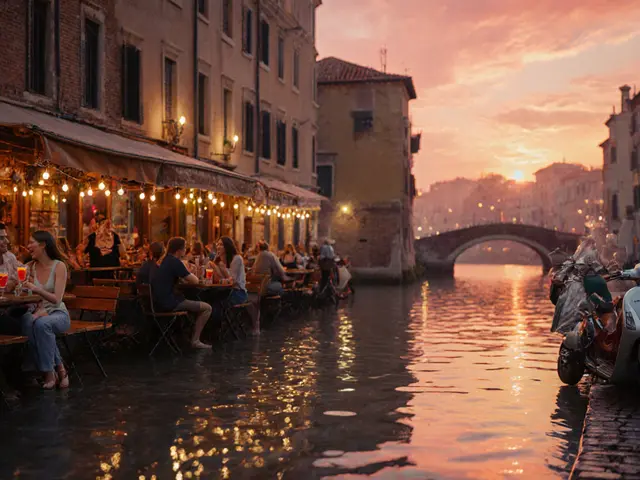
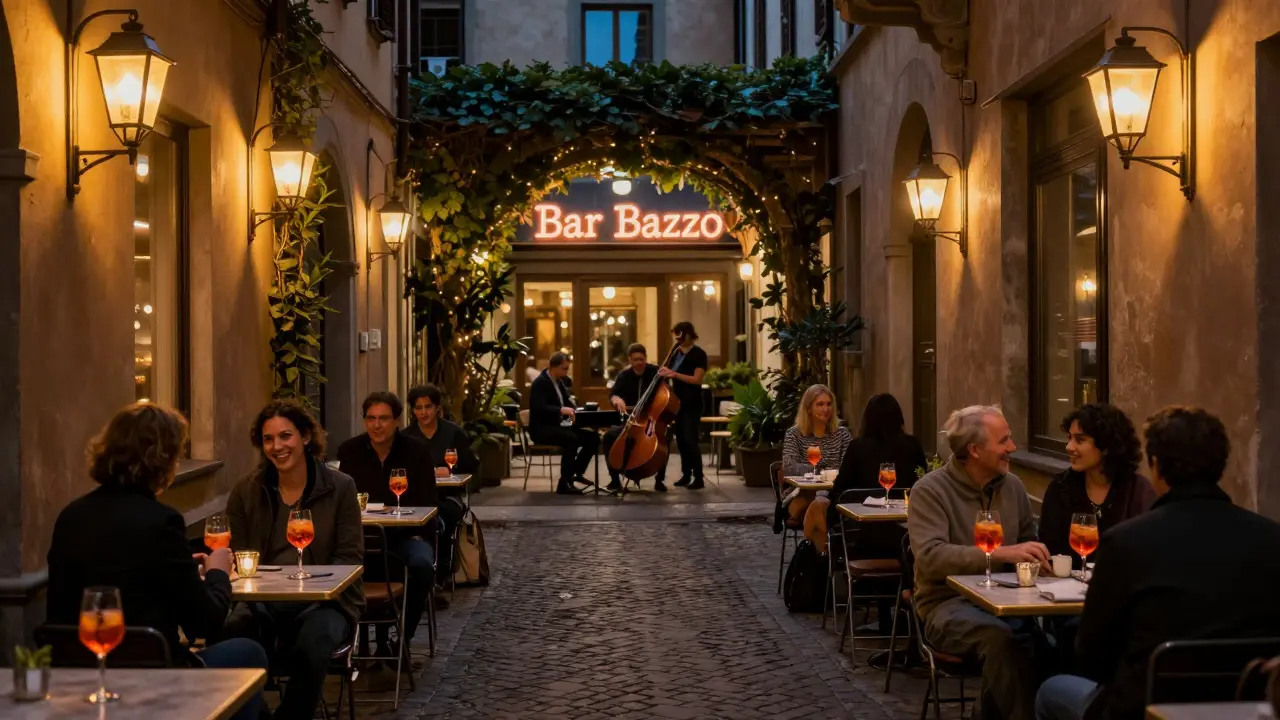
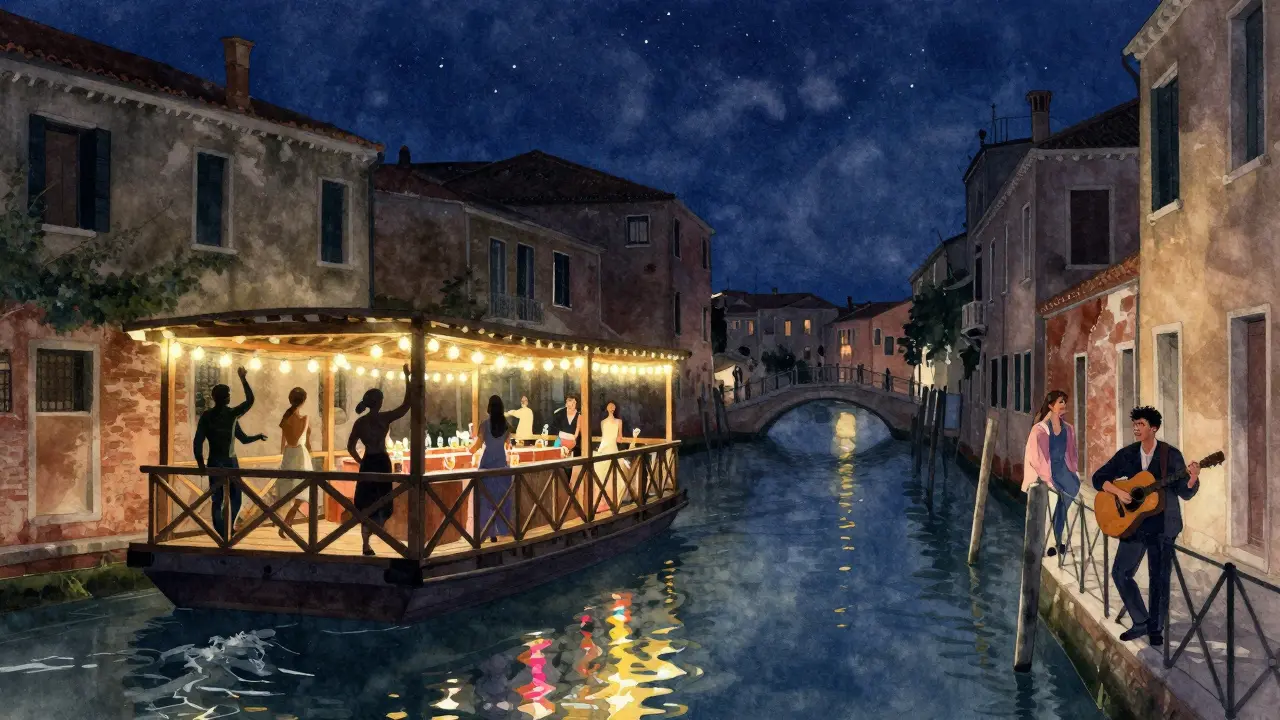
If you want to feel like you’re in a European movie, head to Navigli. The canals here are lined with terraces where people sip Aperol Spritzes and share plates of crostini under string lights. It’s less about the music and more about the atmosphere-live acoustic sets, spontaneous dance circles, and friends leaning over railings to shout across the water.
Start at Bar del Fico, a local favorite with a backyard garden and a rotating selection of natural wines. Then walk toward La Nave, a floating bar on the canal that turns into a dance floor after midnight. No bouncers, no cover charge, just a wooden deck, a sound system blasting Italian indie pop, and a crowd that’s all ages and all vibes. It’s the kind of place you’ll remember years later-not because it was the fanciest, but because it felt like home.
Porta Venezia: Underground Beats and Queer Energy
Porta Venezia is Milan’s answer to Berlin’s club scene: raw, inclusive, and unapologetically loud. This is where the city’s LGBTQ+ community and alternative youth gather to dance, express, and celebrate. The clubs here don’t advertise on Instagram-they’re whispered about.
La Scala (not the opera house-the club) is a basement venue with no sign, just a red door. Inside, it’s a sweaty, pulsing mix of techno, house, and disco. The DJs play until 7 a.m., and the crowd doesn’t care if you’ve never heard of them. The drinks are served in plastic cups, the floor is sticky, and the music is perfect. This isn’t a club-it’s a ritual.
For something more experimental, try Le 7 Porte, a queer-friendly space that hosts drag shows, art installations, and late-night karaoke. It’s the only place in Milan where you’ll see a 70-year-old opera singer belting out Lady Gaga next to a 20-year-old drag queen in neon bodysuits.
Corso Como: The Glamour Spot That Still Feels Real
Corso Como 10 is the place where Milan’s elite go to be seen-but not in a way that feels fake. The compound includes a design store, a restaurant, a garden bar, and a club that only opens on weekends. The vibe? Think minimalist chic meets underground party.
The bar area, Corso Como Bar, is perfect for an early night: cocktails made with local herbs, soft lighting, and a soundtrack of jazz and soul. But when the clock hits midnight, the doors to the club open, and the crowd shifts. DJs like Gigi D’Agostino and local favorites spin deep house and disco remixes. The crowd? Designers, artists, models, and a few tourists who got lucky with an invite. It’s exclusive, but not snobby. You don’t need to wear a suit-you just need to move.
Zone 2: The Secret Spot Only Locals Know
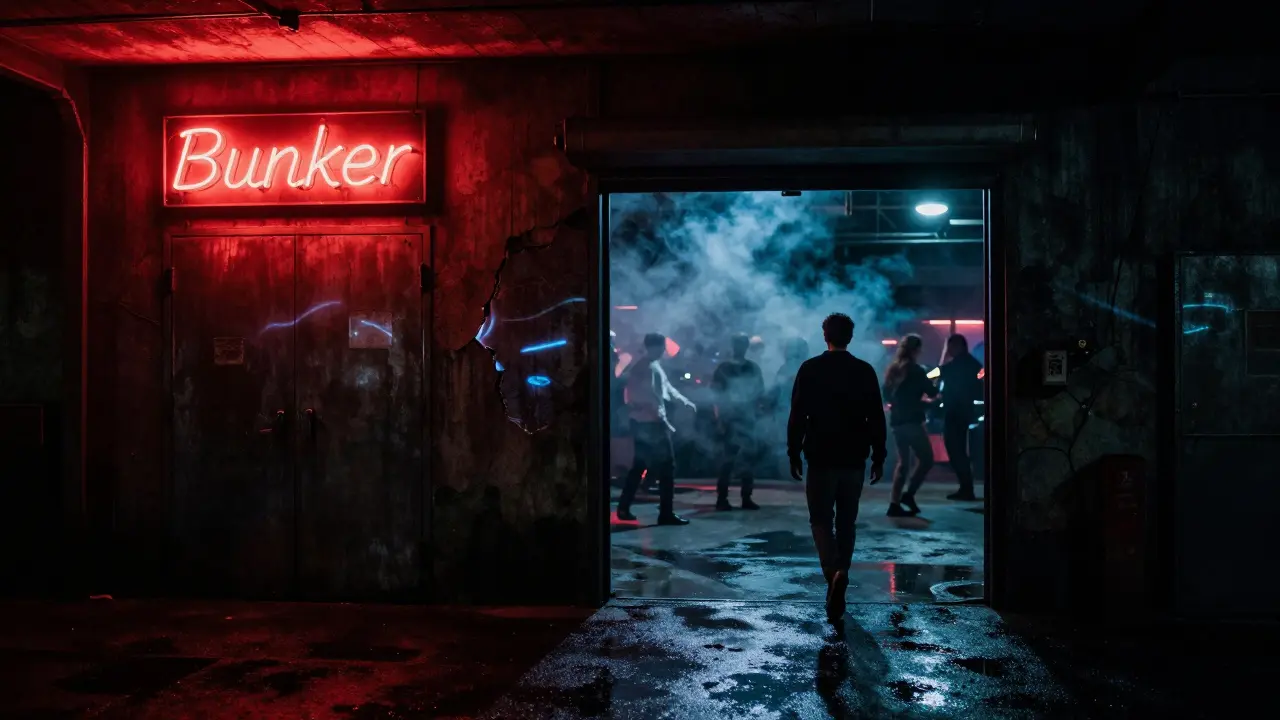
If you want to find where the real party is, ask someone who’s lived in Milan for more than five years. They’ll tell you about Zone 2. It’s not on any map. It’s a converted warehouse near the train tracks, accessible only through a back alley with a flickering neon sign that says ‘Bunker’.
This is where the city’s underground techno scene thrives. No social media posts. No VIP lists. Just a bouncer who nods if you look like you belong. The sound system is custom-built, the lights are strobes and nothing else, and the crowd dances like no one’s watching-even though they are. The party starts at 1 a.m. and ends when the sun rises. You won’t find this on Google. You’ll only find it if you’re willing to wander.
What to Expect: Rules of the Night
Milan’s nightlife doesn’t follow the same rules as other European cities. Here’s what you need to know:
- No cover before midnight. Most clubs don’t charge until 12:30 a.m. or later. If someone asks for money at 9 p.m., walk away.
- Aperitivo is sacred. Between 6 p.m. and 9 p.m., bars offer free snacks with any drink. Think bruschetta, mini sandwiches, and salads. It’s not a gimmick-it’s tradition.
- Dress smart, not flashy. You don’t need designer labels, but flip-flops and hoodies won’t get you in. Think clean jeans, a nice shirt, and polished shoes.
- Don’t rush. Milanese nights start late. Dinner at 9:30 p.m. is normal. Clubs don’t fill up until after midnight. Patience is part of the experience.
- Walk or take the metro. Taxis are expensive and hard to find after 2 a.m. The metro runs until 1:30 a.m. on weekends. Use it.
Where to Go When You’re Done Dancing
When the music stops and your feet ache, you’ll need caffeine and carbs. Head to Pasticceria Marchesi on Via Manzoni. Open 24 hours on weekends, they serve warm cannoli and espresso like it’s 1920. Or try Trattoria Milanese on Via Padova-open until 4 a.m.-where you can eat ossobuco and drink cheap red wine with people who’ve been up all night too.
There’s no rush to go home. In Milan, the night doesn’t end-it just changes shape.
What’s the best night to go out in Milan?
Friday and Saturday nights are the busiest, but Wednesday and Thursday are when locals go out to test new clubs and DJs before the weekend crowds arrive. If you want to avoid lines and feel like you’ve discovered something real, go midweek.
Is Milan nightlife safe at night?
Yes, but stay aware. The main nightlife areas like Navigli, Brera, and Corso Como are well-lit and patrolled. Avoid isolated streets after 3 a.m., especially near train stations. Stick to busy areas, and don’t carry large amounts of cash. Most clubs have security, and locals look out for each other.
Do I need to speak Italian to enjoy Milan’s nightlife?
No, but a few phrases help. Saying "Grazie" or "Un Aperol Spritz, per favore" gets you farther than trying to order in English. Most bartenders and club staff speak English, but locals appreciate the effort. Don’t be afraid to point, smile, or gesture-Milanese people are friendly if you’re respectful.
Can I go clubbing alone in Milan?
Absolutely. Many people go out solo, especially in Brera and Navigli. Bars are welcoming to solo guests, and clubs often have a balanced crowd. Don’t feel pressured to join a group. Just order a drink, stand near the bar, and let the music pull you in. You’ll meet people faster than you think.
Are there any age restrictions in Milan clubs?
Most clubs require you to be 18 or older. Some high-end or underground spots may enforce a 21+ rule, especially on weekends. Always carry ID. Even if you look older, bouncers will check. No exceptions.
What’s the average cost for a night out in Milan?
Aperitivo costs €10-15 and includes food. Drinks at bars range from €8-12. Club entry after midnight is usually €10-20, sometimes more for big-name DJs. A taxi home might cost €15-25. Budget €50-80 for a full night out if you’re not splurging.
Final Tip: Leave the Guidebook Behind
The best nights in Milan aren’t the ones you plan. They’re the ones you stumble into-when you follow a group laughing down an alley, when you hear music leaking from a shuttered warehouse, when you realize you’ve been dancing for three hours and don’t even know the song. That’s Milan. It doesn’t advertise its soul. You have to find it yourself.