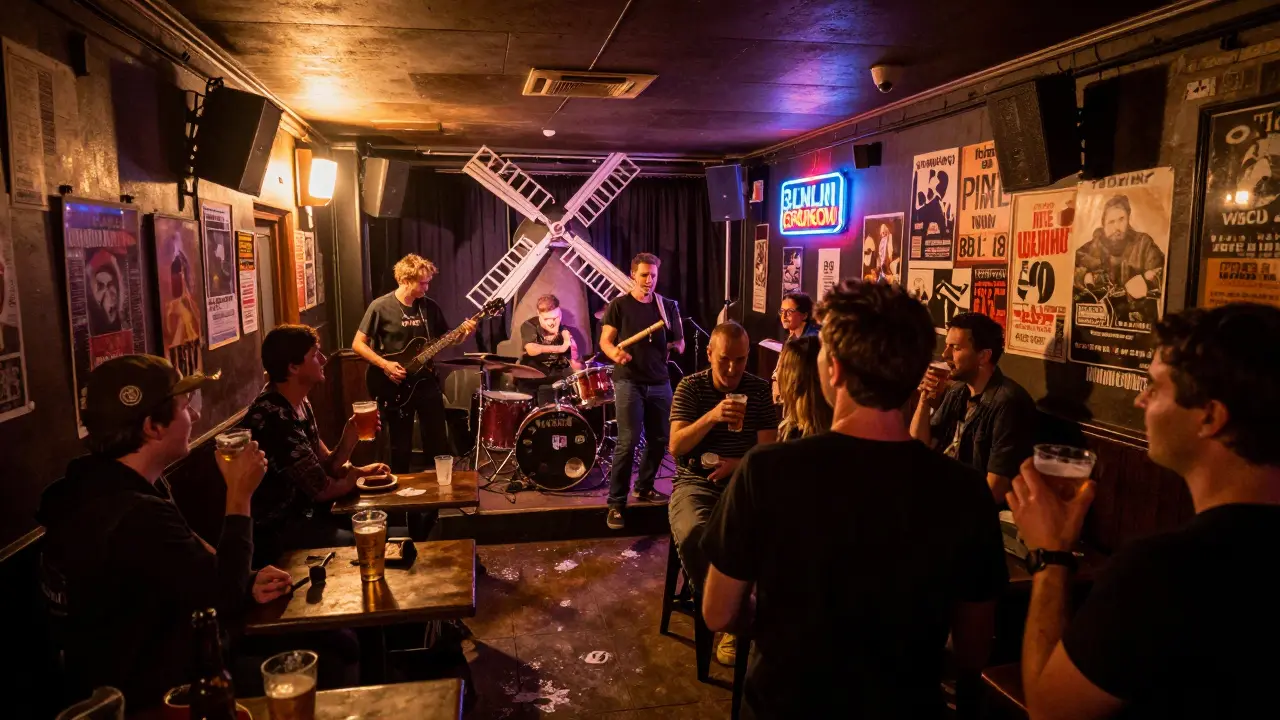
London doesn’t sleep. Not really. By 10 p.m., the city’s real rhythm starts. The streetlights glow brighter, the bass from alleyway clubs hums through pavement, and the buzz of conversation spills out of pubs that have been serving drinks since the 1800s. This isn’t just a city with nightlife-it’s a living archive of music, culture, and rebellion, all packed into alleyways, basements, and rooftop terraces.
The Windmill, Brixton
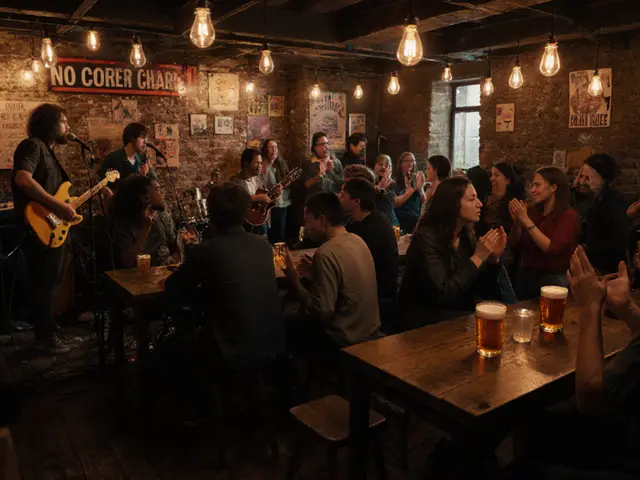
If you want to feel what London’s underground scene was like in the 1970s, head to The Windmill. It’s not fancy. No velvet ropes. No DJ spinning remixes of pop hits. Just a small, dimly lit pub with a stage barely bigger than a kitchen counter. This is where punk rock exploded in 1976. The Sex Pistols played their first real gig here. Siouxsie and the Banshees got their start. Today, it’s still a place where unknown bands test new material, and the crowd doesn’t care if you’ve heard of them-they care if you feel it.
The Wi-Fi password? ‘PunkWasHere’. The cover charge? Often nothing. The vibe? Pure, unfiltered London grit. You won’t find a cocktail menu here. Just pints, sticky floors, and a sense that you’re part of something that’s been going on longer than most of the people in the room have been alive.
The Cross Keys, Soho
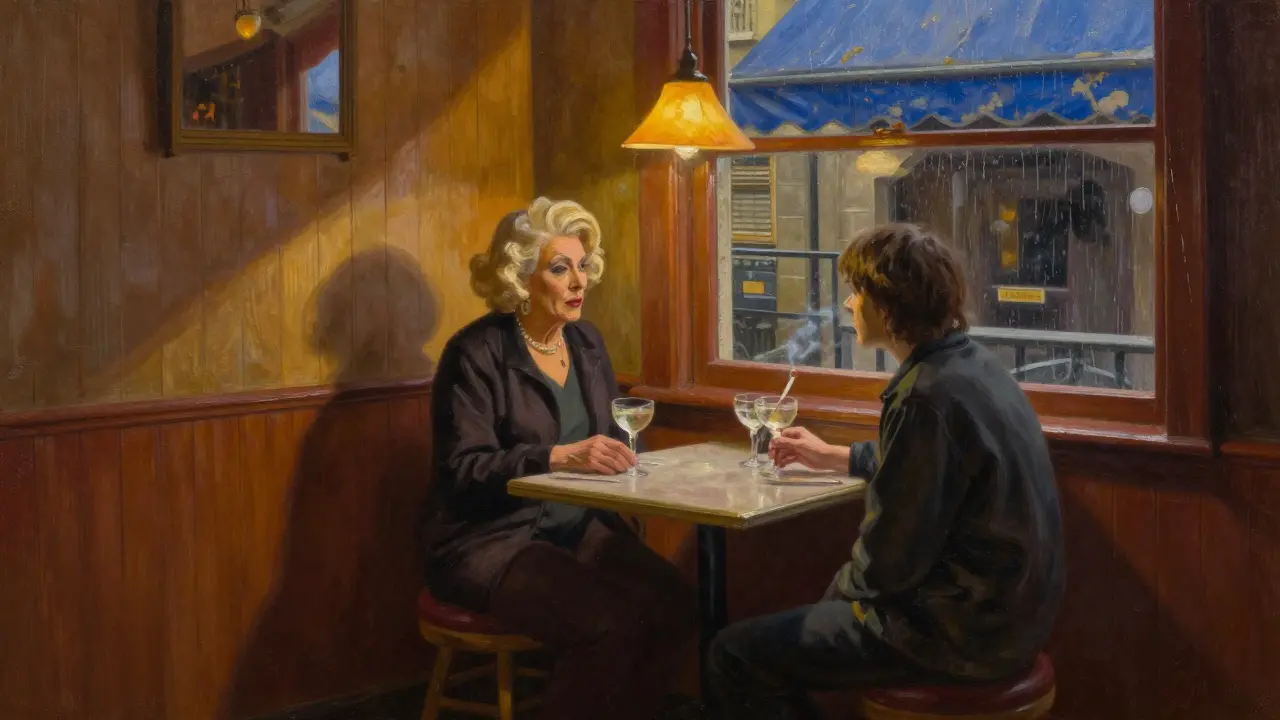
Soho is a maze of neon and noise, but The Cross Keys stands out-not because it’s loud, but because it’s quiet. This is a gay bar that doesn’t scream for attention. It’s tucked into a corner of Soho, with a faded blue awning and a door that looks like it hasn’t been repainted since the 90s. Inside, it’s warm. Wood-paneled walls, low stools, and a bar that’s been polished by thousands of hands.
It’s the kind of place where you’ll see a 70-year-old drag queen sipping gin with a 22-year-old student. Where conversations start over shared cigarettes on the sidewalk and end with someone singing along to Dusty Springfield. There’s no theme night. No bottle service. Just real people, real stories, and a history that’s written in the scratches on the bar.
It’s been open since 1978. That’s longer than most of the clubs in London have been around. And it’s still here because it never tried to be anything but itself.
Fabric, Clerkenwell
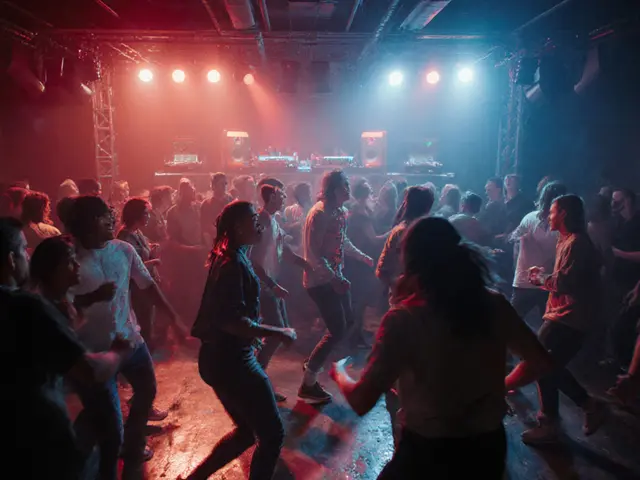
Fabric doesn’t just play music. It swallows you whole. Opened in 1999, this 2,000-capacity club in Clerkenwell became the blueprint for modern electronic music venues in the UK. The sound system? Custom-built by engineers who refused to compromise. The lighting? Designed to move with the beat, not distract from it. The crowd? Mostly locals, but also DJs from Berlin, Tokyo, and São Paulo who come here to study how it’s done.
Fabric’s two rooms-Room 1 and Room 2-are like two different planets. Room 1 is deep house and techno, with a bass so thick you feel it in your ribs. Room 2 is more experimental: industrial, ambient, noise. You won’t find a single pop song here. No VIP sections. No bottle service. Just people dancing, sweating, losing themselves.
It’s closed for a few months every year for maintenance. When it reopens, people line up before dawn. That’s how much this place matters.
The Blue Posts, Camden
Camden is full of tourist traps. But The Blue Posts? It’s the real deal. A 17th-century pub with a backroom that’s been hosting live music since the 1980s. It’s small. The ceiling’s low. The walls are covered in old gig posters-Blur, The Libertines, Arctic Monkeys-all played here before they were famous.
There’s no stage. Just a corner of the room where a band sets up with two mics and a drum kit. The crowd leans in. No phones up. No selfies. Just ears. You’ll hear garage rock one night, spoken word the next. Sometimes, a local poet will read while someone strums a guitar in the corner. The owner, Steve, doesn’t book acts-he just listens. If he likes it, he says, ‘Come back Friday.’
It’s not a place you go to be seen. It’s a place you go to hear something you won’t find anywhere else.
The Ivy Club, Soho
Forget the fancy restaurants. The Ivy Club is where London’s creatives go when they want to drink like they’re still in their 20s-even if they’re 50. It’s hidden behind a nondescript door on a quiet Soho street. Inside, it’s all dark wood, leather booths, and low lighting. The bar serves classic cocktails with precision. A Negroni here isn’t just a drink-it’s an event.
There’s no music. No dancing. Just quiet conversation, the clink of ice, and the occasional laugh that echoes off the ceiling. It’s the kind of place where a novelist might meet a film producer. Or where a musician might pitch a new album to someone who just signed a major label deal.
The dress code? Smart casual. The vibe? Intimate. The energy? Quietly electric. It’s not loud, but you’ll leave feeling like you’ve been part of something important.

Shoreditch House, Shoreditch
Shoreditch House isn’t a club. It’s a members-only space that feels like a secret garden you stumbled into at midnight. It’s on the top floor of a converted warehouse, with a rooftop terrace that overlooks the city skyline. The pool is open until 2 a.m. The bar serves gin cocktails made with herbs grown on-site. The music? A mix of jazz, soul, and lo-fi beats that never gets too loud.
It’s where artists, designers, and tech founders unwind after long days. You’ll see someone in a suit sipping a cocktail next to someone in ripped jeans and a vintage band tee. It’s not exclusive because they turn people away-it’s exclusive because you need to know someone to get in.
But here’s the trick: if you’re staying at a member hotel like The Hoxton, you can get access. Or, if you’re lucky, you might get invited to a private event. It’s not about money. It’s about connection.
St. Katharine Docks, Docklands
Most people think of London’s nightlife as crowded pubs and bass-heavy clubs. But if you want something different, head to St. Katharine Docks. This is where the city’s riverside comes alive after dark. Boats with open decks turn into floating bars. Lanterns hang above wooden walkways. Live jazz drifts from a converted warehouse, and people sip mulled wine while watching the Thames glow under the lights.
It’s not loud. It’s not chaotic. But it’s unforgettable. On a clear night, you can see the Tower Bridge lit up in the distance. You’ll find couples walking hand in hand, friends laughing over mulled wine, and solo travelers sitting quietly on benches, just taking it all in.
This is London’s nightlife at its most poetic. No bouncers. No lineups. Just the water, the lights, and the quiet hum of a city that never stops breathing.
Why These Places Matter
These spots aren’t just venues. They’re time capsules. The Windmill holds the DNA of punk. Fabric shaped the sound of modern electronic music. The Cross Keys gave a home to a community that was told to stay hidden. The Blue Posts is where new music is born, not manufactured.
London’s nightlife isn’t about trends. It’s about legacy. The best spots don’t chase viral moments. They survive because they stay true to who they are. You won’t find influencers here. You’ll find people who’ve been coming for decades. And that’s the real magic.
Go to these places not to check them off a list. Go to feel something real. To hear music that moves you. To sit beside a stranger who becomes a friend by sunrise. That’s what London’s nightlife is really about.
What’s the best time to visit London’s nightlife spots?
Most places don’t really get going until 10 p.m. or later. Clubs like Fabric and The Windmill hit their stride after midnight. Bars like The Ivy Club and Shoreditch House are open until 2 a.m. or 3 a.m., depending on the night. Weekends are busiest, but weekdays often have better vibes-fewer crowds, more room to talk, and sometimes special events.
Is London nightlife safe for solo travelers?
Yes, especially in areas like Soho, Camden, and Shoreditch, which are well-lit and patrolled. Stick to reputable venues, avoid poorly lit alleys after 2 a.m., and use trusted transport like black cabs or licensed Uber drivers. Most regulars in these spots are friendly and will help if you look lost.
Do I need to dress up for London’s nightlife?
It depends. Places like The Ivy Club and Shoreditch House ask for smart casual-no flip-flops, no sportswear. But The Windmill, The Blue Posts, and Fabric? Jeans and a t-shirt are fine. Some clubs have dress codes, but most don’t. The rule of thumb: if you look like you care, you’ll fit in. You don’t need to look rich-just respectful.
Are there any free nightlife options in London?
Absolutely. The Windmill often has no cover charge. The Blue Posts doesn’t charge for live music. Many pubs in Camden and Shoreditch host open mic nights or acoustic sets with no entry fee. St. Katharine Docks is completely free to walk around, and the atmosphere alone is worth it. Look for events listed on local blogs like Time Out London or The Londonist.
What’s the most underrated nightlife spot in London?
The Blue Posts. It’s not on most tourist lists, but it’s where real music happens. No gimmicks. No branding. Just a room full of people who came to listen. If you want to hear a new band before they blow up, this is the place. Locals know it. Tourists rarely find it-and that’s why it’s still magic.