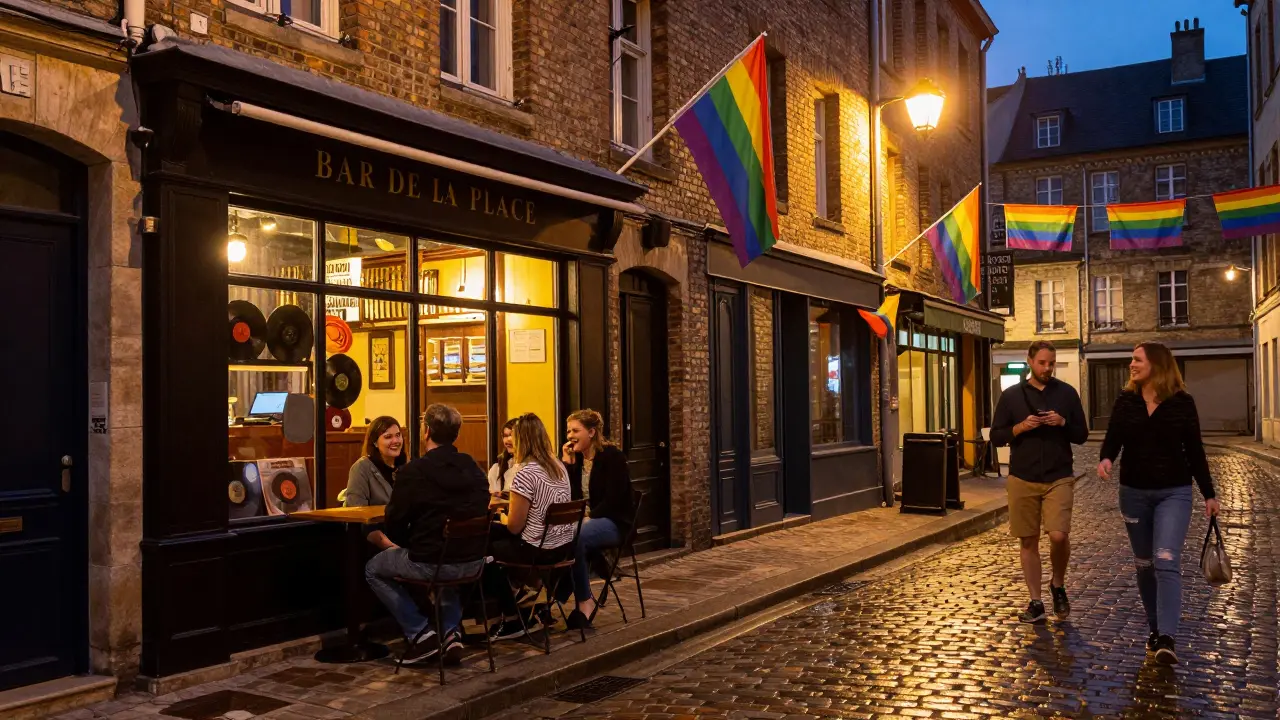
Paris has long been a beacon for queer travelers, and its LGBT nightlife isn’t just a side attraction-it’s a core part of the city’s soul. You won’t find just one scene here. You’ll find a patchwork of neighborhoods, each with its own vibe, music, crowd, and history. Whether you’re looking for a drag show that shakes the walls, a cozy wine bar where conversations flow as easily as the wine, or a dance floor that doesn’t stop until sunrise, Paris delivers. And yes, it’s safe, welcoming, and alive.
Le Marais: The Heartbeat of Queer Paris
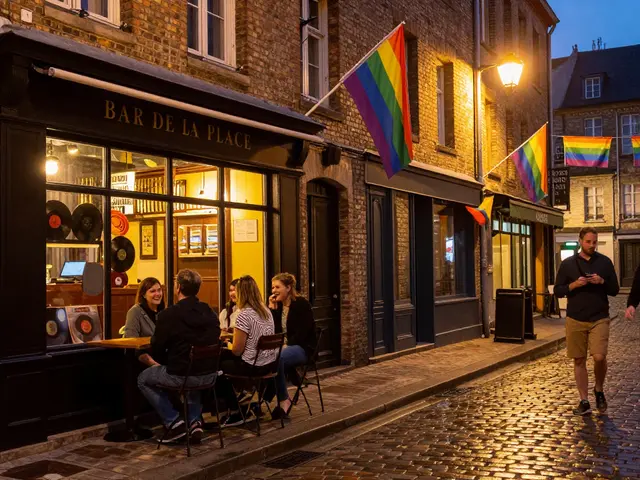
If you’re new to Paris and want to dip your toes into LGBT nightlife, start in Le Marais. This historic district, once a Jewish quarter, is now the unofficial capital of queer Paris. The streets between Rue des Rosiers and Rue Sainte-Croix-de-la-Bretonnerie are lined with rainbow flags, and the energy never drops after dark.
Bar de la Place is a local favorite-low lights, vinyl records, and a crowd that’s half tourists, half Parisians who’ve been coming here since the ’90s. It’s not loud, it’s not flashy, but it’s real. Then there’s Le Refuge, a legendary bar that’s been around since 1989. It’s got a back room that turns into a dance club on weekends, and the bartenders know your name by the third visit.
Don’t miss La Nef, a lesbian-owned bar that’s more than just a drink spot. It hosts poetry nights, queer film screenings, and community fundraisers. It’s the kind of place where you leave with a new friend and a stack of zines.
Belleville and Ménilmontant: Underground and Unapologetic
If Le Marais feels polished, Belleville and Ménilmontant feel raw. These neighborhoods are where Paris’s queer underground thrives-think experimental drag, punk cabarets, and basement parties that only the locals know about.
Le Diamant Bleu is a must. It’s a tiny, unmarked door on a quiet street that opens into a glitter-drenched cabaret. The shows here aren’t polished. They’re messy, bold, and sometimes political. One night you might see a trans performer lip-syncing to Björk while projecting protest art onto the walls. Another night, it’s a queer hip-hop battle with beatboxing and spoken word.
On Fridays, La Boulangerie turns into a queer dance party called Discothèque. No cover charge. No dress code. Just a DJ spinning French house, disco, and queer anthems from the ’80s to now. The crowd? Mix of students, artists, and retirees who’ve been coming since the ’70s. It’s the kind of place where age doesn’t matter-only the beat does.
Château Rouge: The New Frontier
Château Rouge, in the 18th arrondissement, isn’t on most tourist maps. But it’s where Paris’s queer African and Caribbean communities are building something new. This isn’t just about nightlife-it’s about identity, visibility, and reclaiming space.
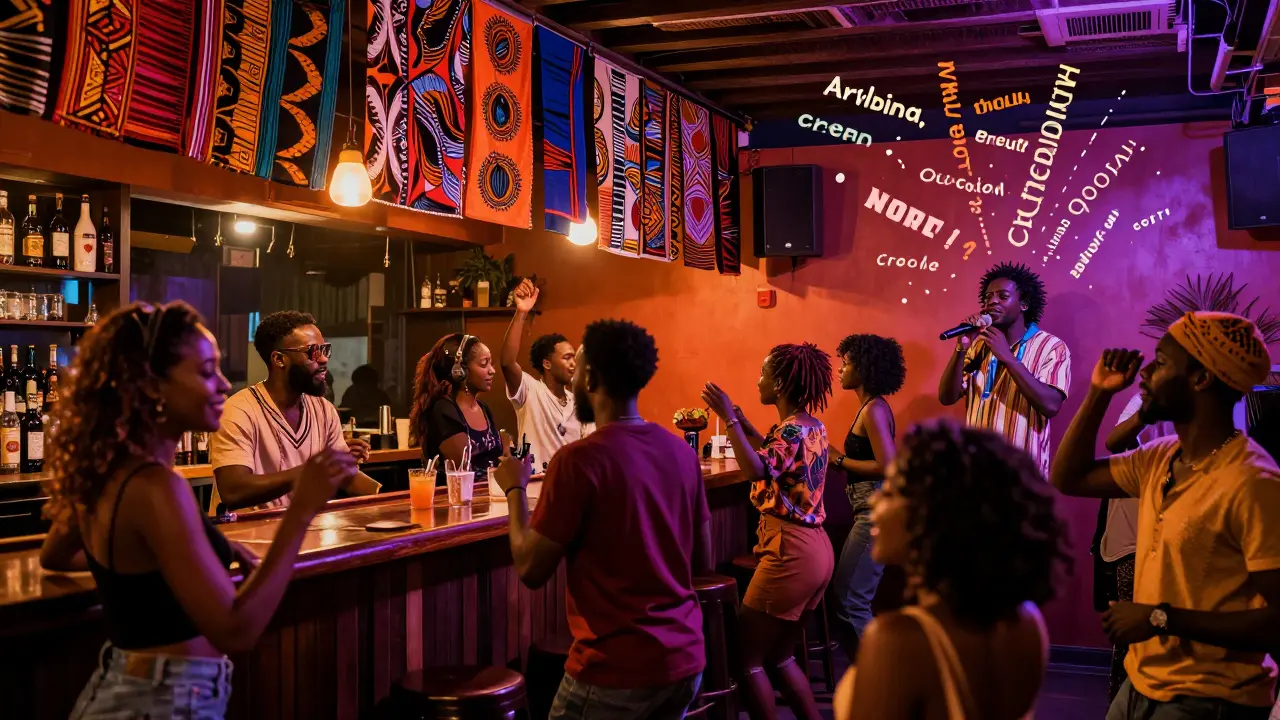
La Cité des Étoiles is a bar and cultural center that hosts weekly events: Afrobeats nights, queer poetry slams, and trans-led workshops. The decor? Vibrant textiles from Dakar to Port-au-Prince. The music? High-energy, bass-heavy, and impossible to ignore. It’s loud, it’s colorful, and it’s one of the few places in Paris where you’ll hear French, Wolof, and Creole spoken in the same sentence.
It’s not just a bar. It’s a movement. And if you’re looking for nightlife that’s more than just drinks and dancing, this is it.
Drag Shows and Performance Spaces
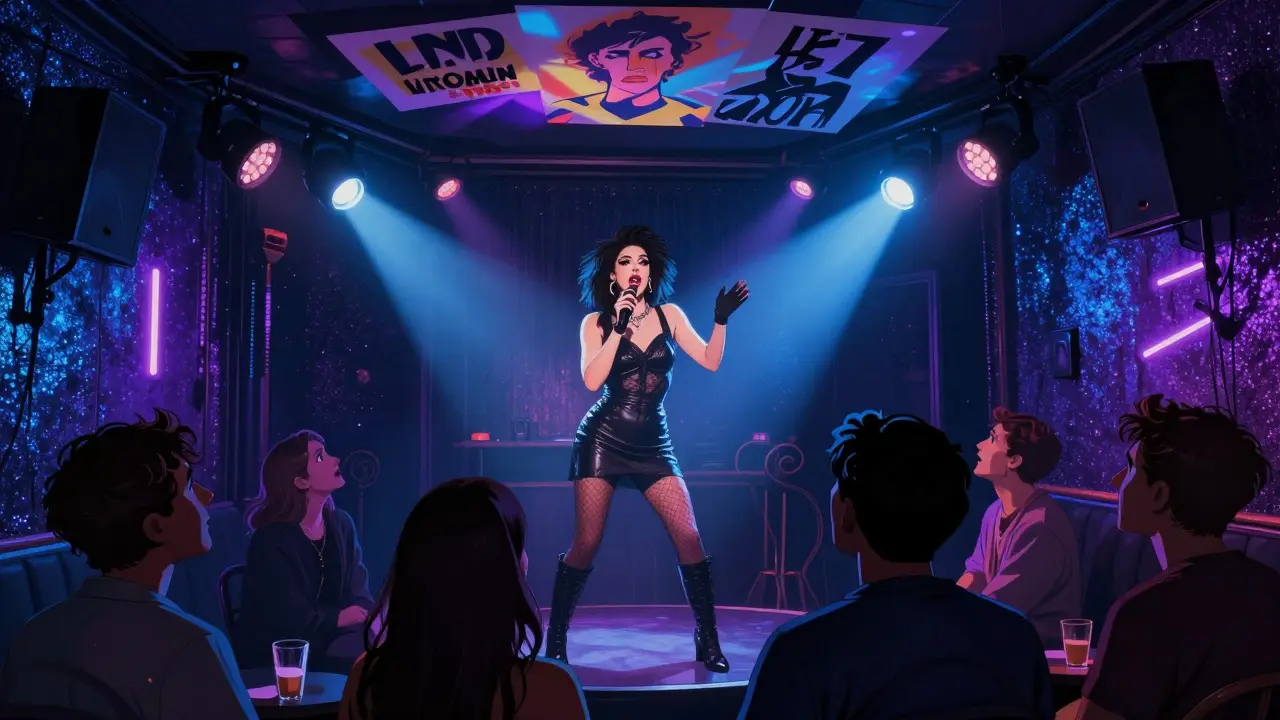
Paris has some of the most inventive drag in Europe. You don’t need to go to a big theater to see it. Many of the best shows happen in small bars with 50 people in the room-and that’s part of the magic.
La Cité des Arts hosts Drag Brunch every Sunday. Think champagne, croissants, and queens who’ve performed at the Paris Opera. The queens here don’t just lip-sync-they tell stories. One queen, Madame Lune, does a 20-minute monologue about growing up as a trans girl in rural France. It’s heartbreaking. It’s hilarious. And it ends with a dance-off.
For something wilder, head to Le Chat Noir on Tuesday nights. It’s not a drag show. It’s a performance art riot. Think gender-bending mime, queer clowning, and a live band that plays instruments made from trash. It’s not for everyone. But if you’ve ever wondered what queer avant-garde looks like in 2026, this is your answer.
What to Know Before You Go
Paris is generally safe for LGBT travelers. Same-sex relationships are legal, public displays of affection are common, and most venues are inclusive. But there are a few things to keep in mind.
- Language matters. While many staff speak English, learning a few phrases in French goes a long way. A simple “Merci” or “C’est magnifique” can open doors.
- Timing is everything. Most clubs don’t get going until midnight. Bars start at 9 p.m., but the real energy kicks in after 1 a.m.
- Don’t assume everything is English-friendly. Many events, especially in Belleville or Château Rouge, are in French. But you don’t need to understand every word to feel the vibe.
- Check event listings. Use Paris Gay Guide or Les Inrockuptibles’s queer events section. Facebook events are often the most up-to-date.
Where to Stay
Staying near the action makes a difference. If you want to be in the middle of it all, book a room in Le Marais. The Hotel du Vieux Paris is a boutique spot with rainbow linens and a rooftop terrace. For budget travelers, Generator Hostel in the 10th arrondissement has a queer-friendly dorm and hosts weekly mixers.
And if you’re looking for something truly unique, try La Maison des Amis-a queer-owned guesthouse that doubles as a community space. You can stay overnight, attend a film night, or just grab coffee with locals who’ve lived here for decades.
Final Thoughts
LGBT nightlife in Paris isn’t about checking off bars. It’s about finding your people. Whether you’re dancing until dawn in a basement club, sharing a cigarette with a drag queen after a show, or just sitting quietly in a bar while someone reads poetry about longing and belonging-you’ll find it here.
Paris doesn’t market itself as a queer destination. It doesn’t need to. It just is. And if you’re willing to wander a little, to skip the guidebook, and to follow the music-you’ll leave with more than memories. You’ll leave with a new sense of home.
Is Paris safe for LGBT travelers?
Yes. France has strong legal protections for LGBT people, and public displays of affection are widely accepted in Paris. Most nightlife venues are inclusive, and police in tourist areas are trained to respond to hate incidents. That said, like any major city, isolated incidents can happen-especially late at night in less crowded areas. Stick to well-lit streets, use trusted transport apps, and trust your instincts.
Are there lesbian-only spaces in Paris?
Yes. While many clubs are mixed, La Nef in Le Marais and Les Mains in the 11th arrondissement are explicitly lesbian-run spaces. They host monthly dance nights, book clubs, and community events. You won’t find a sign that says "Lesbian Night"-it’s more about who’s there than what’s advertised.
Do I need to speak French to enjoy LGBT nightlife in Paris?
No, but it helps. Most bartenders and staff in tourist-heavy areas like Le Marais speak English. But in neighborhoods like Belleville or Château Rouge, French is the main language. You don’t need to be fluent-just knowing how to say "Bonjour," "Merci," and "Où est la salle de bain?" will get you further than you think. Many events are visual, musical, or emotional-you’ll feel the energy even if you don’t catch every word.
What’s the best time of year to visit for LGBT nightlife?
June is Pride Month, and Paris hosts one of Europe’s largest parades. But that’s also when prices spike and venues get crowded. For a more authentic, local experience, aim for April, September, or October. The weather is still good, the crowds are thinner, and the parties feel more intimate. Many venues also host special events during these months-like queer film festivals or trans artist showcases.
Are there transgender-friendly venues in Paris?
Absolutely. La Cité des Étoiles in Château Rouge and Le Refuge in Le Marais are known for their trans-inclusive policies. Staff are trained to use correct names and pronouns. Trans performers regularly headline shows, and many venues partner with local trans advocacy groups. If you’re unsure, just ask-most places are proud to say they’re safe spaces.