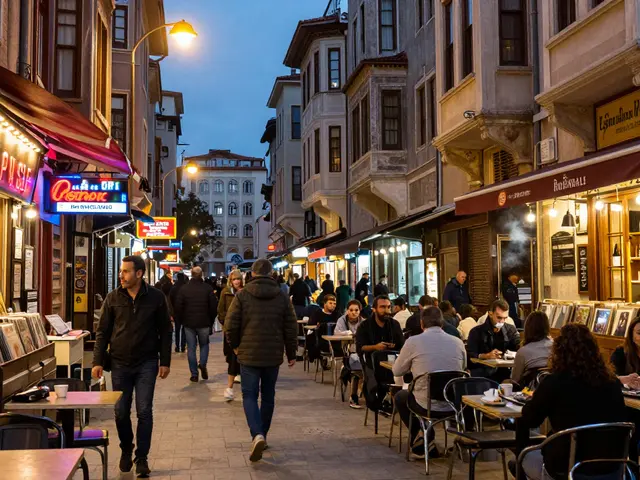
Millions pass through Milan for fashion shows and business meetings, but few stick around to see what happens after dark. The city doesn’t just sleep when the sun goes down-it wakes up. From hidden speakeasies tucked behind bookshelves to open-air dance floors under the stars, Milan’s nightlife isn’t just about drinking. It’s about rhythm, style, and a certain Italian swagger you won’t find anywhere else.
Where the Night Starts: Navigli District
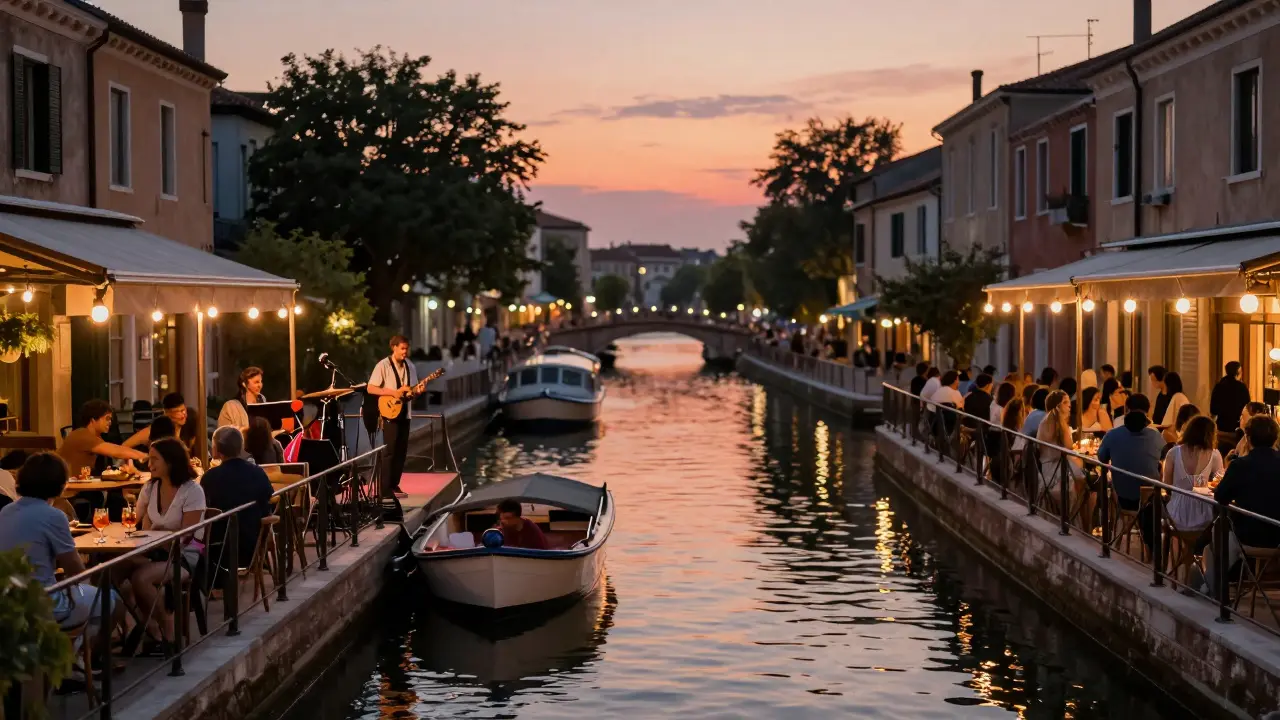
If you only hit one area in Milan at night, make it Navigli. This canal-side neighborhood used to be a working port for transporting goods in the 15th century. Now, it’s where locals go to unwind after work. The canals are lined with outdoor terraces, live music from indie bands, and bars that stay open until 4 a.m. on weekends.
Start at Bar Luce-a retro-chic spot designed by Wes Anderson. Order an Aperol Spritz, watch the boats glide by, and let the vibe pull you deeper into the district. As midnight hits, follow the crowd to La Zucca, a converted warehouse with a DJ spinning everything from deep house to Italian disco. The crowd? Mostly Milanese professionals in designer jeans and leather jackets. No tourists. No gimmicks. Just good music and a crowd that knows how to move.
The Club Scene: Where the Pros Go
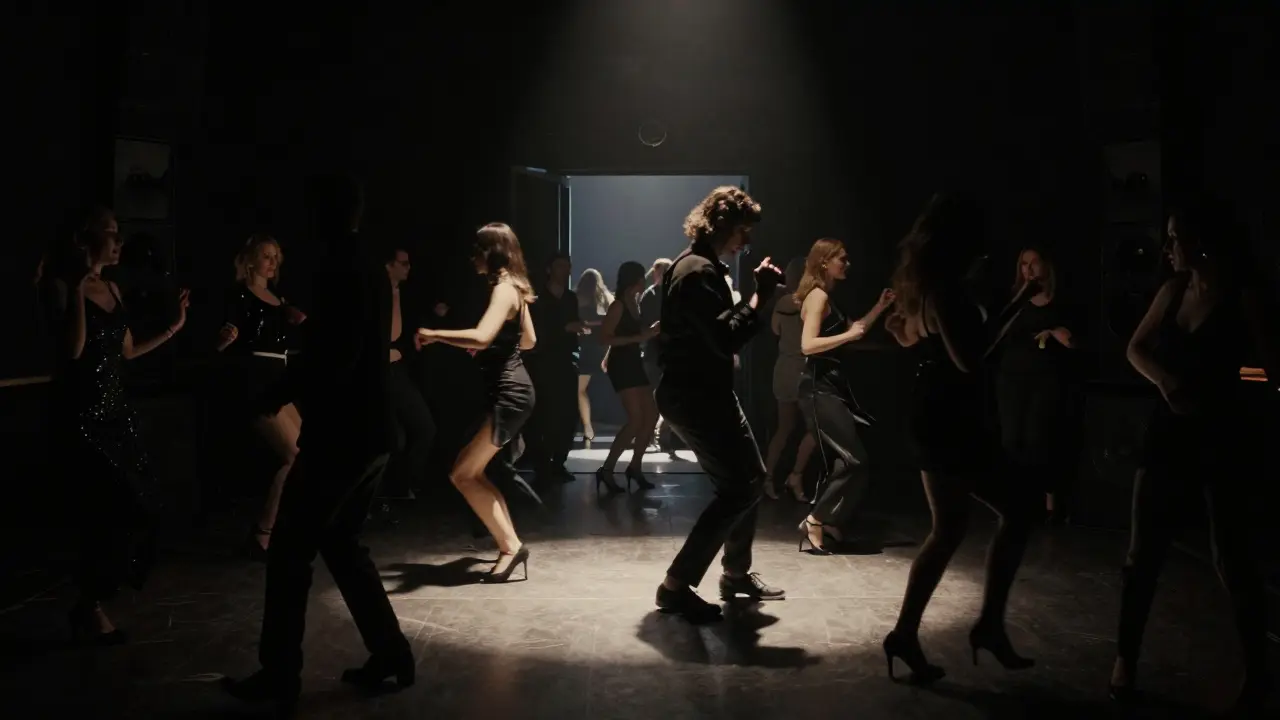
Milan’s top clubs don’t advertise. They don’t need to. If you’re asking where to go, you’re already on the right track. The real insiders head to La Scala Club, not to be confused with the opera house. This intimate, members-only venue has no sign outside. You need a password-or a friend who knows the bouncer. The music? Minimal techno, curated by DJs who’ve played in Berlin and Tokyo. No bottle service. No VIP rooms. Just a dark room, a killer sound system, and a crowd that doesn’t care about your Instagram.
For something bigger, try Magazzini Generali. It’s a massive industrial space in the Porta Genova area. Three rooms, three genres: techno, hip-hop, and live electronic sets. It’s open from 11 p.m. to 6 a.m. every Friday and Saturday. Lines form by 11:30, but you can skip them if you RSVP on their website. Entry is €15. No cover if you arrive before midnight.
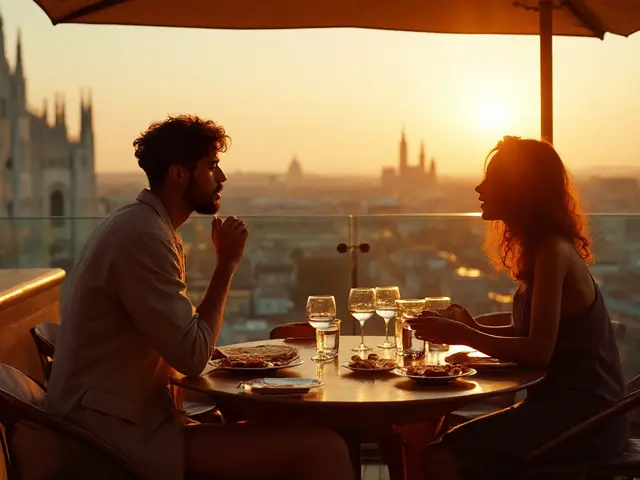
Don’t forget Capo Caffè. It’s not a club-it’s a rooftop bar with a dance floor. The view of the Duomo at midnight? Unbeatable. The cocktails? Strong. The energy? Electric. It’s where fashion designers and musicians end their nights, often dancing until sunrise.
Hidden Gems and Speakeasies
Milan doesn’t do loud. It does subtle. And that’s where the real magic lives.
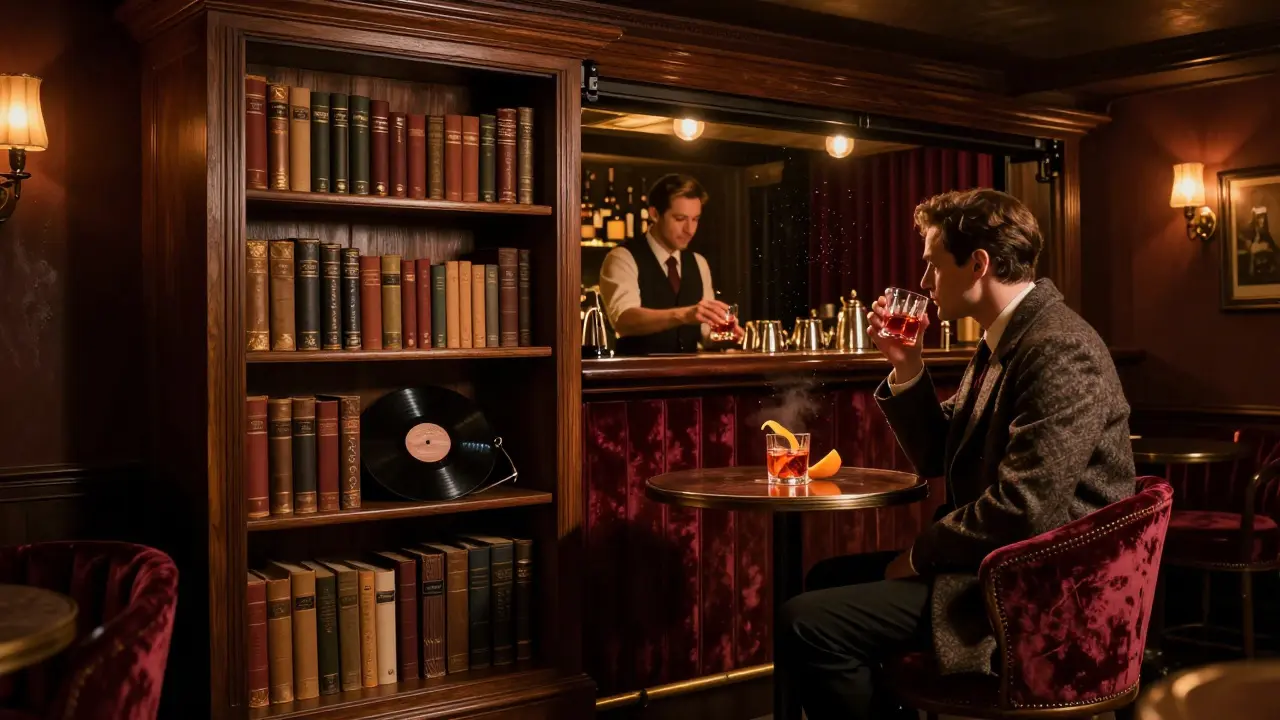
Behind a fake bookshelf in a quiet alley near Corso Como is Bar Basso, the birthplace of the Negroni Sbagliato. The bartenders here have been mixing drinks for over 50 years. No menu. Just ask for “the classic” and they’ll make you one with a twist. You’ll sit beside a Milanese architect, a retired opera singer, and maybe even a model who just finished a shoot. It’s quiet. It’s classy. And it’s the only place in the city where you can have a conversation without shouting.
Another secret? La Goccia. A tiny, unmarked door on Via Santa Marta leads to a basement bar with velvet couches, jazz on vinyl, and a bartender who remembers your name after one visit. They don’t take reservations. You just show up. If the door is locked, come back tomorrow. It’s part of the ritual.
Drinks That Define the Night
You can’t talk about Milan nightlife without talking about the drinks. It’s not about cocktails with glitter and neon. It’s about tradition, balance, and a few key rules.
- Aperol Spritz: The official aperitivo. Served with ice, prosecco, and a splash of Aperol. Order it at 7 p.m. and you’ll be surrounded by people unwinding after work.
- Negroni: Equal parts gin, Campari, and sweet vermouth. Stirred, not shaken. Served with an orange peel. If you order it with soda water, you’ll get side-eye.
- Espresso Martini: Yes, it’s trendy. But in Milan, it’s still made with freshly brewed espresso, not pre-made syrups.
- Grappa: Don’t skip it. A small glass after dinner, served chilled. It’s the local way to end a long night.
Most bars offer an aperitivo from 6 p.m. to 9 p.m. Pay €10-€15, and you get unlimited snacks-crostini, olives, mini sandwiches, even pasta. It’s not a drink deal. It’s a cultural ritual.
What to Wear (And What Not To)
Milan doesn’t have a dress code. It has an expectation. You don’t need a tuxedo. But you also won’t get in wearing flip-flops and a hoodie.
- Men: Dark jeans, a button-down shirt (rolled sleeves), and clean sneakers or loafers. A leather jacket? Even better.
- Women: A simple dress, tailored pants, or a sleek top with heels. No oversized bags. No sportswear.
- Everyone: Leave the baseball caps and tourist T-shirts at the hotel. Milanese locals notice. And they remember.
Most clubs have a strict door policy. If you look like you’re trying too hard, you might get turned away. If you look like you just stepped out of a runway show? You’re in.
When to Go and How to Avoid the Crowds
Milan’s nightlife peaks on Friday and Saturday nights. But if you want to avoid the lines and the tourist traps, go on Thursday.
Thursday nights are where the real locals hang out. Bars are quieter. DJs are experimenting. The energy is more relaxed. At La Stazione, a former train station turned bar, you’ll find live jazz and a crowd that’s been coming for 20 years. No cover. No pressure. Just good vibes.
Also, avoid the area around Piazza Duomo after 11 p.m. It’s packed with groups taking selfies and waiting for Uber. The real party moves 20 minutes west, toward Navigli and Porta Genova.
How to Get Around
Milan’s metro shuts down at 1:30 a.m. After that, you have three options:
- Take a taxi. Uber and Bolt work fine. Expect to pay €15-€25 for a ride from Navigli to the city center.
- Use the night bus. Line N1 runs from Piazza Duomo to Navigli every 20 minutes until 5 a.m.
- Walk. If you’re sober and the weather’s good, the streets are safe. Many bars are within walking distance of each other in the Navigli and Porta Genova zones.
Don’t rely on public transport after 2 a.m. unless you know the route. Buses are infrequent, and the metro is gone.
Final Tip: Don’t Rush It
Milan’s nightlife isn’t about hitting five clubs in one night. It’s about letting the night unfold. Start with an aperitivo. Move to a bar. Then a club. Then maybe a late-night espresso at a 24-hour café. The best nights aren’t planned. They’re felt.
Leave your itinerary at home. Just show up. Listen. Move with the music. And remember-you’re not here to check off a list. You’re here to live a moment that only Milan can give you.
Is Milan nightlife safe at night?
Yes, Milan is generally safe at night, especially in popular nightlife areas like Navigli, Porta Genova, and Corso Como. The city has a strong police presence in these zones, and most clubs have security. Stick to well-lit streets, avoid isolated alleys after midnight, and don’t carry large amounts of cash. Pickpocketing is rare but possible in crowded bars-keep your phone and wallet secure.
Do I need to speak Italian to enjoy Milan nightlife?
No, but a few phrases go a long way. Most bartenders and club staff speak English, especially in tourist-heavy areas. However, if you say "Buonasera" when you walk in, or "Grazie" after your drink, you’ll get better service and maybe even a free snack. Locals appreciate the effort. Don’t worry about perfect grammar-just try.
What’s the best time to arrive at a Milan club?
For big clubs like Magazzini Generali or La Scala Club, arrive between 11 p.m. and midnight. Lines form after 12:30 a.m., and entry fees can go up. Smaller bars like La Goccia or Bar Basso are more relaxed-you can show up anytime after 9 p.m. and still get a good seat. If you want to dance until sunrise, aim for 1 a.m. That’s when the real energy kicks in.
Are there any age restrictions for clubs in Milan?
Most clubs require you to be at least 18, but many enforce a 21+ policy, especially on weekends. ID is always checked. Bring your passport or EU ID card. Non-EU visitors should carry their passport. Fake IDs don’t work here-bouncers are trained to spot them.
Can I go to Milan nightlife alone?
Absolutely. Milan’s nightlife is surprisingly welcoming to solo visitors. Many bars have communal tables, and DJs often chat with the crowd. You’ll see plenty of people sitting alone with a drink, reading, or just listening. Don’t feel awkward. The Milanese respect personal space. If you want to talk, someone will. If not, that’s fine too.